How can a pay rise leave you poorer?
A 2% raise during 4% inflation feels fair. A 2% pay cut with stable prices feels outrageous. They're almost the same thing.
▶ Start the storyA pay rise leaves you poorer whenever prices climb faster than your wages. What your money is really worth isn't the number on the payslip but what it can buy, and economists call that its purchasing power. If your income stays put while prices rise, your purchasing power falls. A raise only makes you richer if it outruns prices.
Economists keep two books for this. Nominal value is plain money: 2,000 a month. Real value measures that money against the goods and services it can actually be swapped for, with inflation taken into account. The real number is the one your shopping basket feels.
What one dollar buys as prices rise
base-year dollars
| Purchasing power of $1 | |
|---|---|
| Index 100 | 1 base-year dollars |
| Index 125 | 0.8 base-year dollars |
| Index 200 | 0.5 base-year dollars |
| Index 400 | 0.25 base-year dollars |
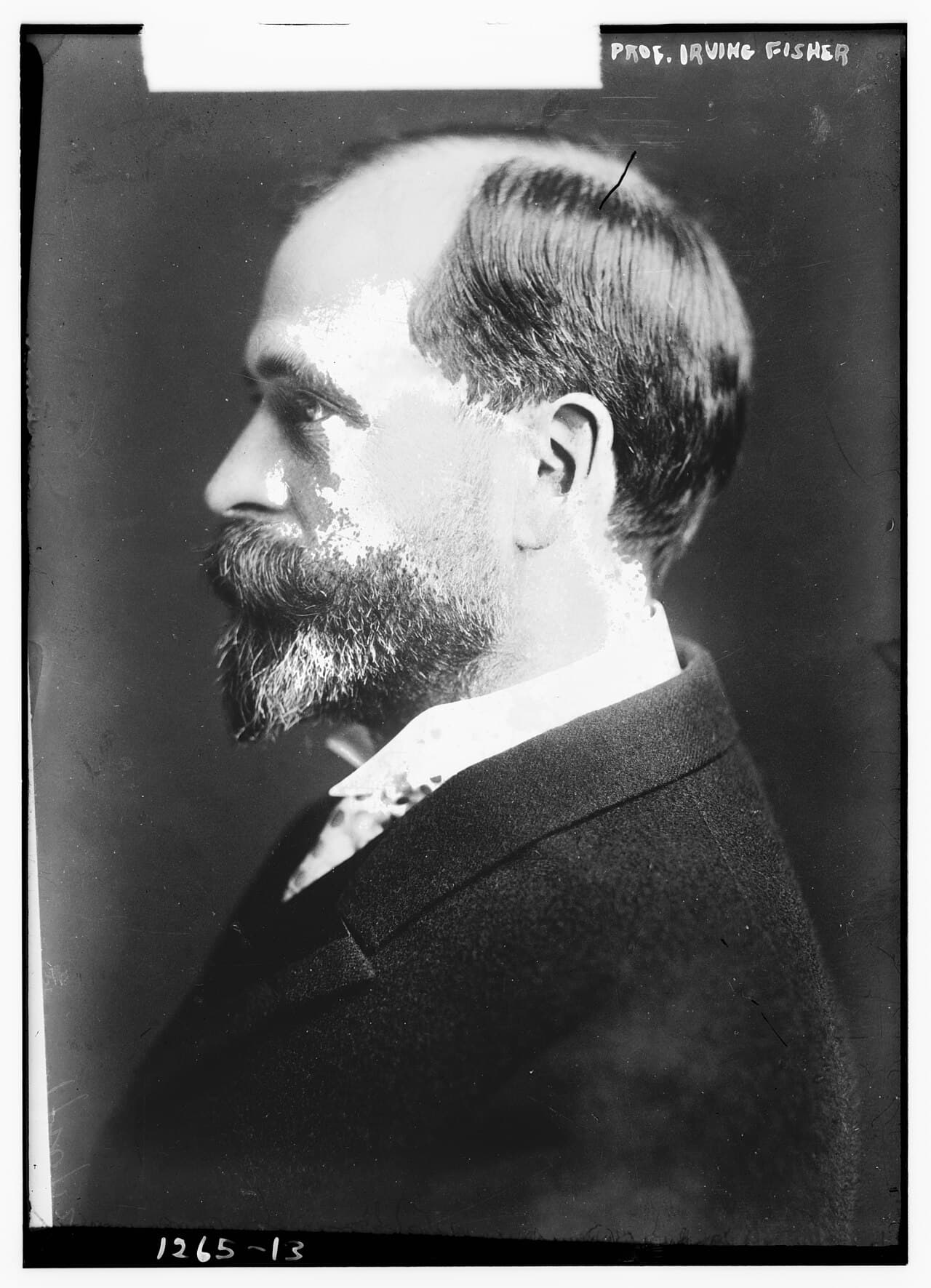
Our brains mostly read the nominal number, and that has a name: money illusion, a term coined by the economist Irving Fisher, who wrote a whole book about it in 1928. Experiments show how strong it is. People judge a 2 percent pay cut with stable prices as unfair, yet call a 2 percent raise during 4 percent inflation fair, even though the two are almost equivalent.
The same idea works across borders. To compare a dollar with a Hong Kong dollar, economists price the same basket of goods in both places. That comparison, called purchasing power parity, is the serious version of a famous playful measure: the Big Mac Index, launched by The Economist in 1986.
Quiz me
0/3
Recap
Your money's worth is 100 divided by the price index: when prices rise, each coin buys less.
Surprising fact · Our brains read nominal money so strongly that a raise below inflation feels fairer than an equivalent pay cut, a bias Irving Fisher called money illusion.
Connects to
Sources (4)
No source, no claim. Every fact in this lesson (15 claims) cites at least one of these.