Why do so many prices end in .99?
One cent off makes $2.00 feel like $1, and it may have started as a trick to stop cashiers stealing.
▶ Start the storyPrices end in .99 because it nudges our brains: shoppers tend to see a just-below price as lower than it really is, so $1.99 feels more like spending $1 than $2. Marketers call it psychological or charm pricing. We read numbers from the left, and that first digit anchors our sense of how big a price is. In 2005 the researchers Thomas and Morwitz gave this bias a name: the left-digit effect.
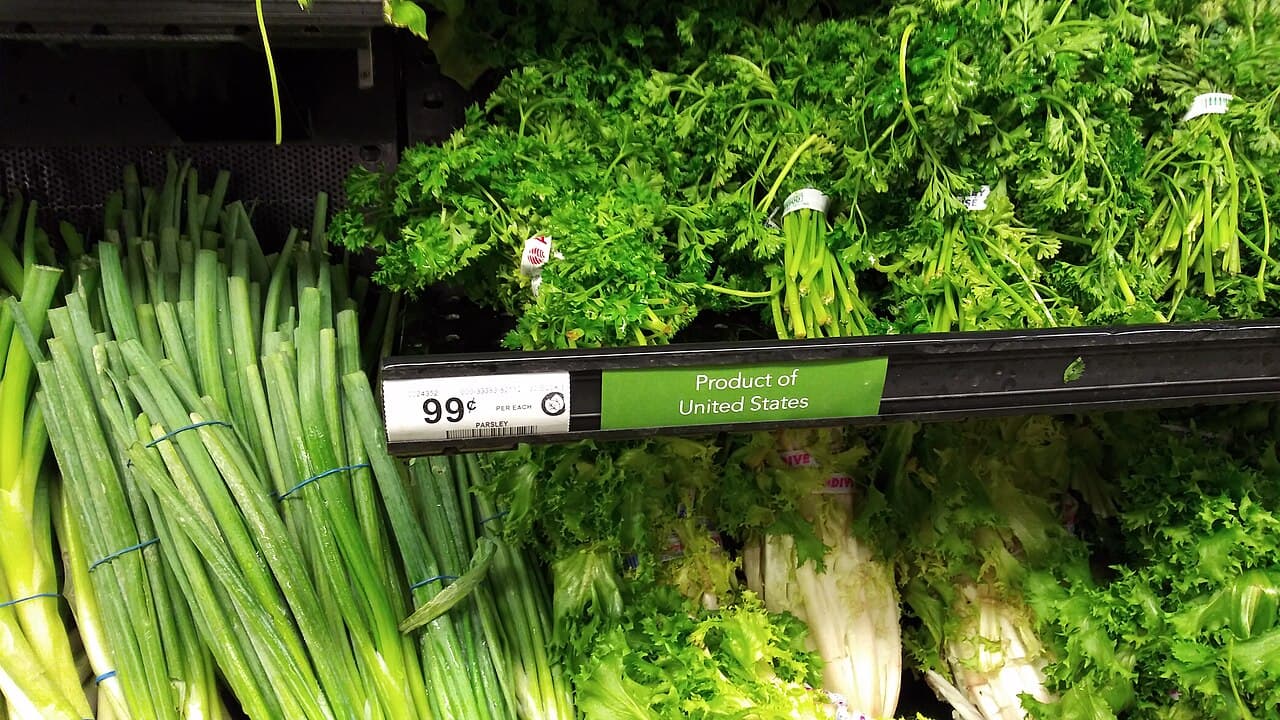
The habit is almost universal. A 1997 study of advertising found that about 60% of prices ended in 9, 30% in 5 and just 7% in 0. A final 9 also carries an image effect: it has come to look like a sale. That's exactly why restaurants and luxury shops often do the opposite and pick round numbers, to look classy rather than cheap.
The origin story is murkier, and it may have nothing to do with psychology. One popular theory says odd prices were a weapon against theft. With a round price, a dishonest cashier could pocket the customer's bill and never record the sale. With a price like 99 cents, the cashier has to make change, which means opening the register and leaving a record. Nobody knows for sure: the practice appeared in the late 19th century, and only spread widely in the 1920s, when prices ended in .95 about as often as .99.
Quiz me
0/3
Recap
Your brain reads the first digit and rounds down, so $1.99 feels like $1 even though it is almost $2.
Surprising fact · A 1997 study found that about 60% of advertised prices ended in 9, while only 7% ended in 0.
Sources (1)
No source, no claim. Every fact in this lesson (16 claims) cites at least one of these.