Who actually decides what things cost?
In most markets, nobody sets the price. It emerges where what buyers want meets what sellers offer, like the two blades of a pair of scissors.
▶ Start the storyIn a competitive market, nobody decides what things cost: the price settles where the amount buyers want equals the amount sellers offer. Economists call this supply and demand, and it is the theoretical basis of modern economics. The price keeps moving until the two sides match.
Each side follows a simple logic. Buyers buy more when things get cheaper. Sellers keep producing as long as making one more unit costs less than the price it fetches. So when something shifts, the price moves. If more people want a good at every price, its price rises. If someone invents a cheaper way to grow wheat, farmers supply more and the price of wheat falls.
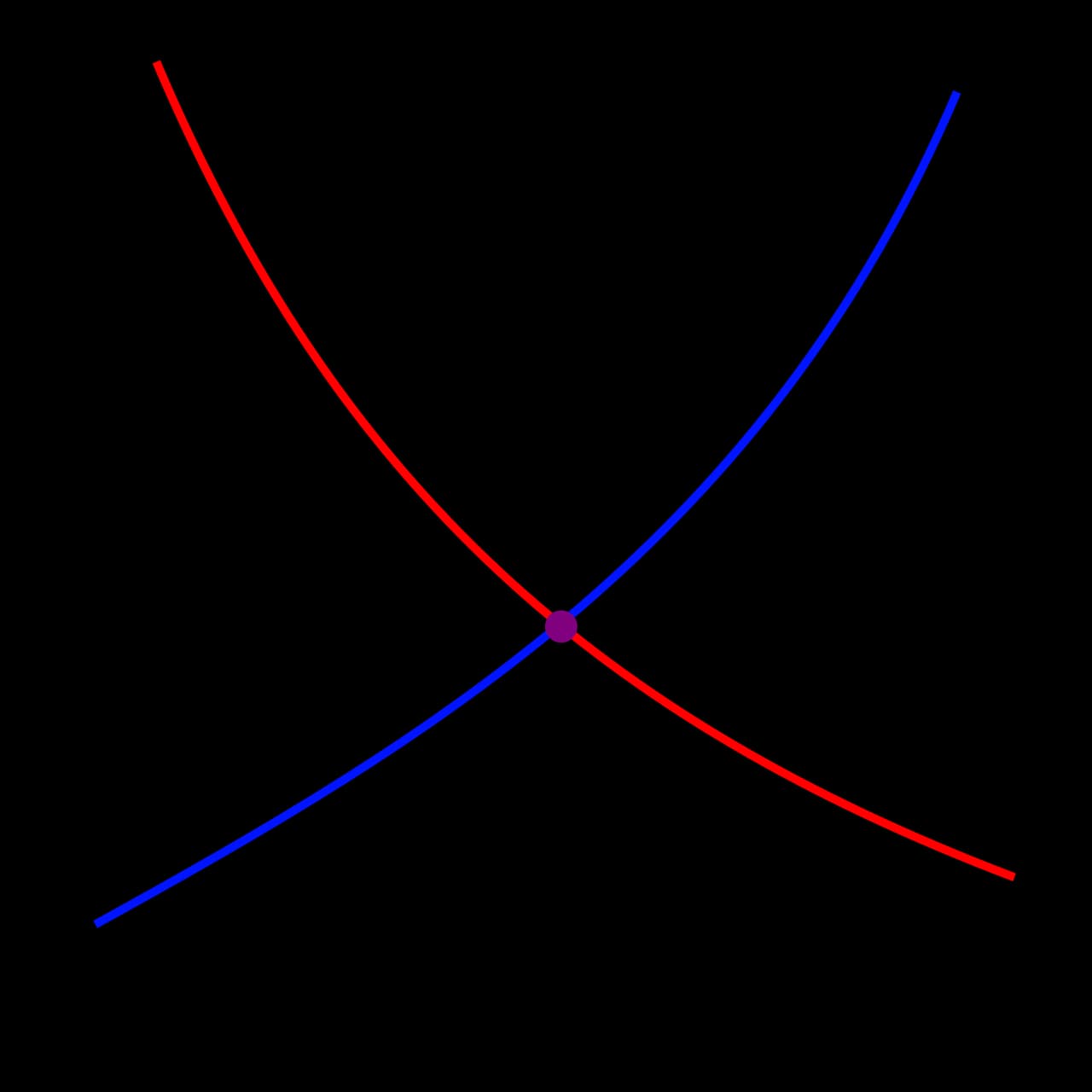
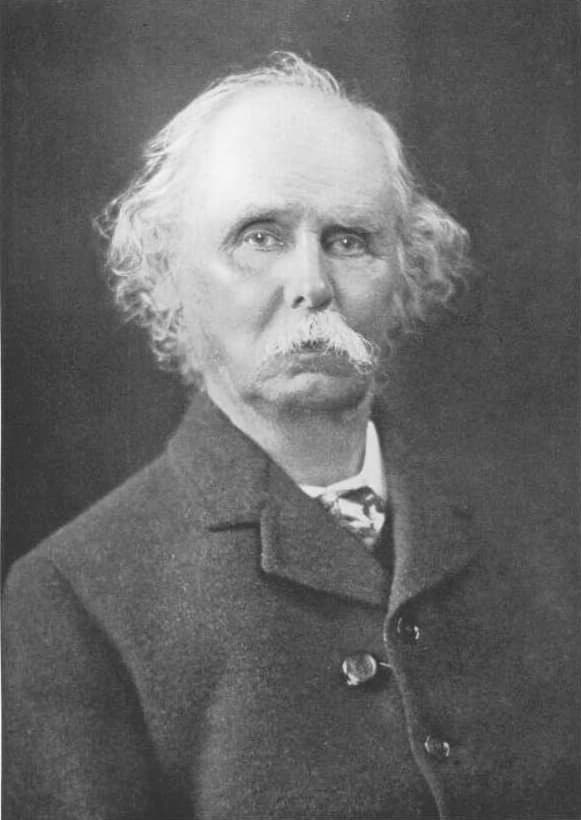
The idea is old. A verse composed at least 2,000 years ago, in the Tirukkural, notes that if nobody wants meat, nobody will offer it for sale. In the 14th century, the Syrian scholar Ibn Taymiyyah wrote that when desire for a good rises and its availability falls, its price rises. The English economist Alfred Marshall, who popularised the idea in 1890, pictured supply and demand as the two blades of a pair of scissors, working together.
The model has limits. When one firm is big enough to move the price by itself, economists need more complicated models.
Quiz me
0/3
Recap
Price is set by both blades of the scissors: what buyers want and what sellers offer.
Surprising fact · A Tamil verse at least 2,000 years old and a 14th-century Syrian scholar both described the idea long before economists named it.
Sources (2)
No source, no claim. Every fact in this lesson (17 claims) cites at least one of these.