Did talking pictures really wreck the careers of silent film stars?
Some silent idols did vanish when movies learned to talk. But the biggest job losses weren't on the screen: they were in the orchestra pit.
▶ Start the storySome, yes, but far fewer than legend says. When sound arrived in the late 1920s, actors without stage experience suddenly looked risky to studios, and those with heavy accents or awkward voices were most at risk. The silent star Norma Talmadge's career effectively ended this way, and audiences found John Gilbert's voice an awkward match for his swashbuckling image. But one statistical study found that actresses' careers were barely shorter after 1927 than before: the five-year survival rate of those active in 1922 was only 10 percent higher than of those active after 1927.
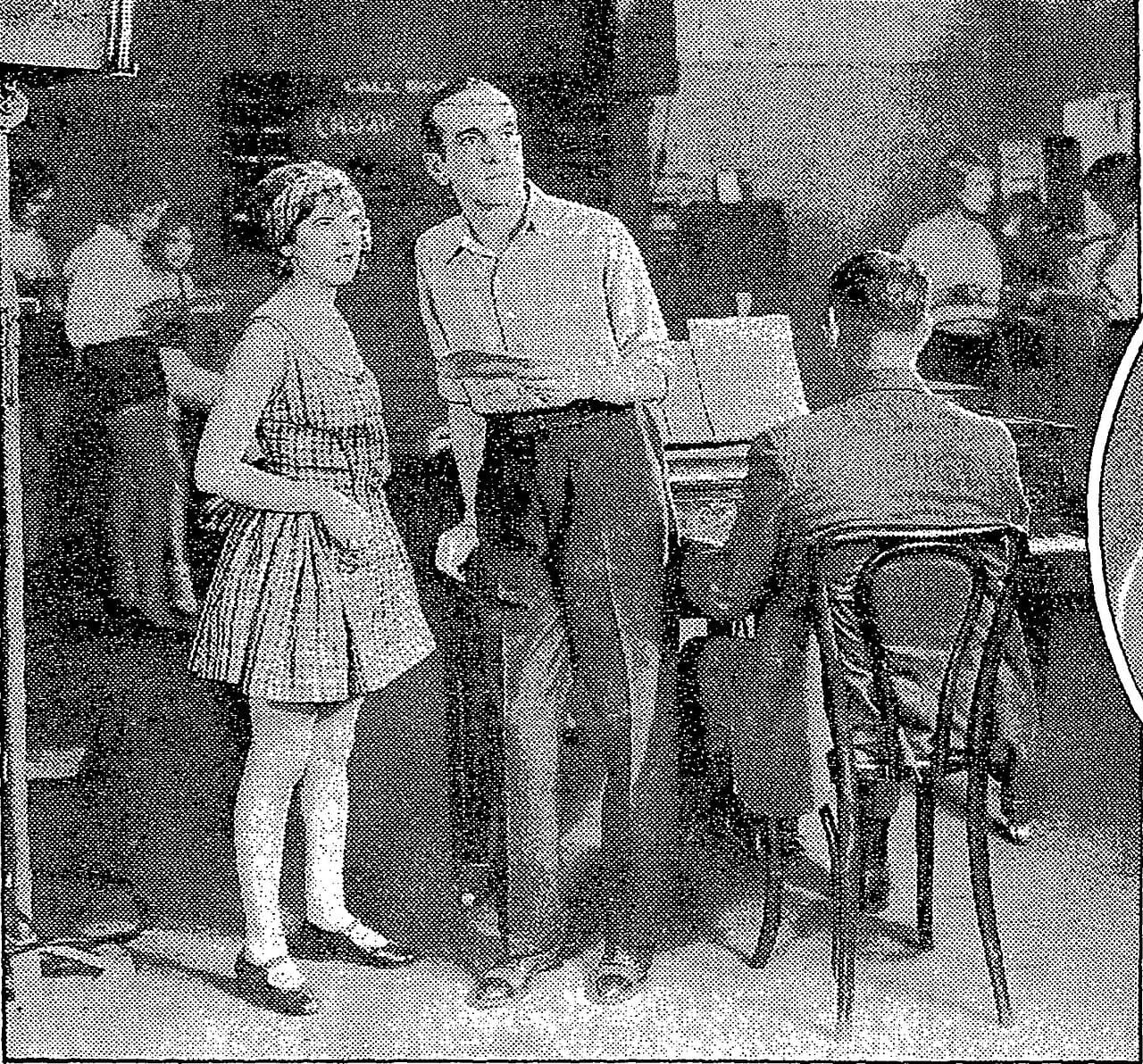
The film that started it all, Warner Bros.' The Jazz Singer, premiered on 6 October 1927. It was mostly a silent film with a recorded score; only when its star Al Jolson sang, plus two short scenes of improvised talk, did sound recorded on set burst through. It was still a smash. A year earlier, studio boss Jack Warner had been quoted saying talking pictures would never be viable. Within two years, his company's profits jumped from 2 to 14 million dollars.
Warner Bros. profits before and after the talkies
million dollars
| Profits | |
|---|---|
| 1927–28 | 2 million dollars |
| 1928–29 | 14 million dollars |
The problem of the silent star with a squeaky voice, famously spoofed in Singin' in the Rain, was frequently overstated. Actress Louise Brooks saw something else at work: for studio bosses, the transition was a splendid opportunity to break contracts, cut salaries and tame their stars.
The real victims were often off screen. As films arrived with their music already recorded, cinema orchestras lost their jobs: a reported 22,000 American moviehouse musicians were out of work.
Quiz me
0/3
Recap
Talkies ended some star careers, but the biggest losers were the musicians whose live music was replaced by a soundtrack.
Surprising fact · The ruined-star story was frequently overstated, while a reported 22,000 American cinema musicians lost their jobs.
Sources (1)
No source, no claim. Every fact in this lesson (21 claims) cites at least one of these.