Why do nine amino acids have to come from your food?
Nine of the building blocks your proteins are made of have to come from your plate, because your own cells can't make them fast enough.
▶ Start the storyBecause your body cannot build them from scratch fast enough to meet its own demand. Those nine, the essential amino acids, are valine, isoleucine, leucine, methionine, phenylalanine, tryptophan, threonine, histidine and lysine, and they must come from the diet. Six others, including arginine and cysteine, are 'conditionally' essential: specific groups, such as newborns or people with diseased livers who can't make cysteine, don't make enough and need them from food too. The rest, the nonessential amino acids, your metabolism produces from basic metabolic pathways. And the list isn't universal: essential amino acids can vary from species to species.
This matters because, assembled into proteins, amino acids form the second-largest component of your muscles and other tissues, after water, and if even one essential amino acid is missing in the required amount, protein synthesis is held back no matter how much of the others is available.
Figuring this out took over a century of chemistry. In 1806, two French chemists, Louis-Nicolas Vauquelin and Pierre Jean Robiquet, isolated a new compound from asparagus and named it asparagine after the vegetable: it became the first amino acid ever identified. Others followed slowly, cystine in 1810, glycine and leucine in 1820, and it wasn't until 1865 that a chemist named Wurtz recognized these were all one chemical family, though he gave the group no name; "amino acid" only entered English in 1898.
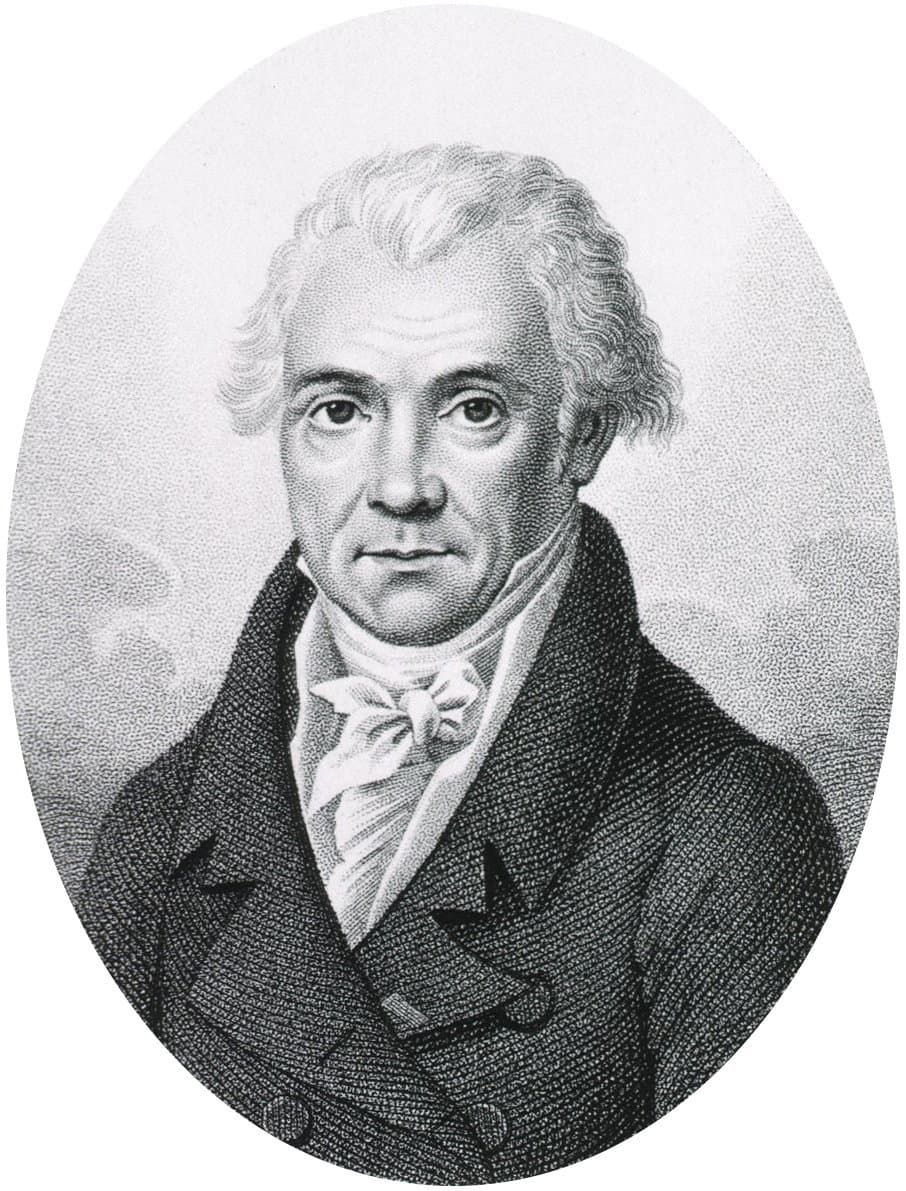
The last piece fell into place in 1935, when the biochemist William Cumming Rose identified threonine, the final one of the 20 common amino acids to be discovered. Rose also worked out which amino acids are essential and set the minimum daily requirement of each for optimal growth.
Quiz me
0/3
Recap
Nine amino acids are essential because the body can't build them fast enough; the rest it makes on its own from basic metabolic pathways.
Surprising fact · The first amino acid discovered, asparagine in 1806, came from asparagus, and the last of the 20 common ones, threonine, wasn't found until 1935.
Sources (2)
No source, no claim. Every fact in this lesson (14 claims) cites at least one of these.