What is gelatin actually made from?
Gelatin is boiled-down collagen from animal skin and bones, and cooks were boiling fish heads and cattle hooves into jelly centuries before anyone sold 'Portable Gelatin' powder.
▶ Start the storyGelatin is made from collagen, the structural protein found in animal skin, bones, and connective tissue, broken down into the translucent, flavorless substance you find in desserts. It is extracted from animals such as the skin, bones, and connective tissues of cattle, chickens, pigs, and fish. The process is a kind of controlled breakdown: hydrolysis chops the long collagen fibers into smaller peptides, and once dry, the result is almost pure protein, 98 to 99 percent, dominated by just three amino acids: glycine, proline, and hydroxyproline, which together make up about half of everything in it.
What makes gelatin useful is what it does with water. It can hold up to 90 percent water while still keeping a stable, jiggly structure, and its melting point sits just below human body temperature, which is exactly why it melts so pleasantly in your mouth rather than staying rubbery.
People have been boiling animal parts into jelly for a very long time before anyone called it "gelatin." A 10th-century cookbook includes a recipe for fish aspic made by boiling fish heads, and a 14th-century French recipe book describes a jelled meat broth. In 15th-century Britain, cooks boiled cattle hooves to get the same effect, and isinglass, obtained from the swim bladders of fish, was one of the oldest sources of gelatin; it is also used to clarify wine and beer.
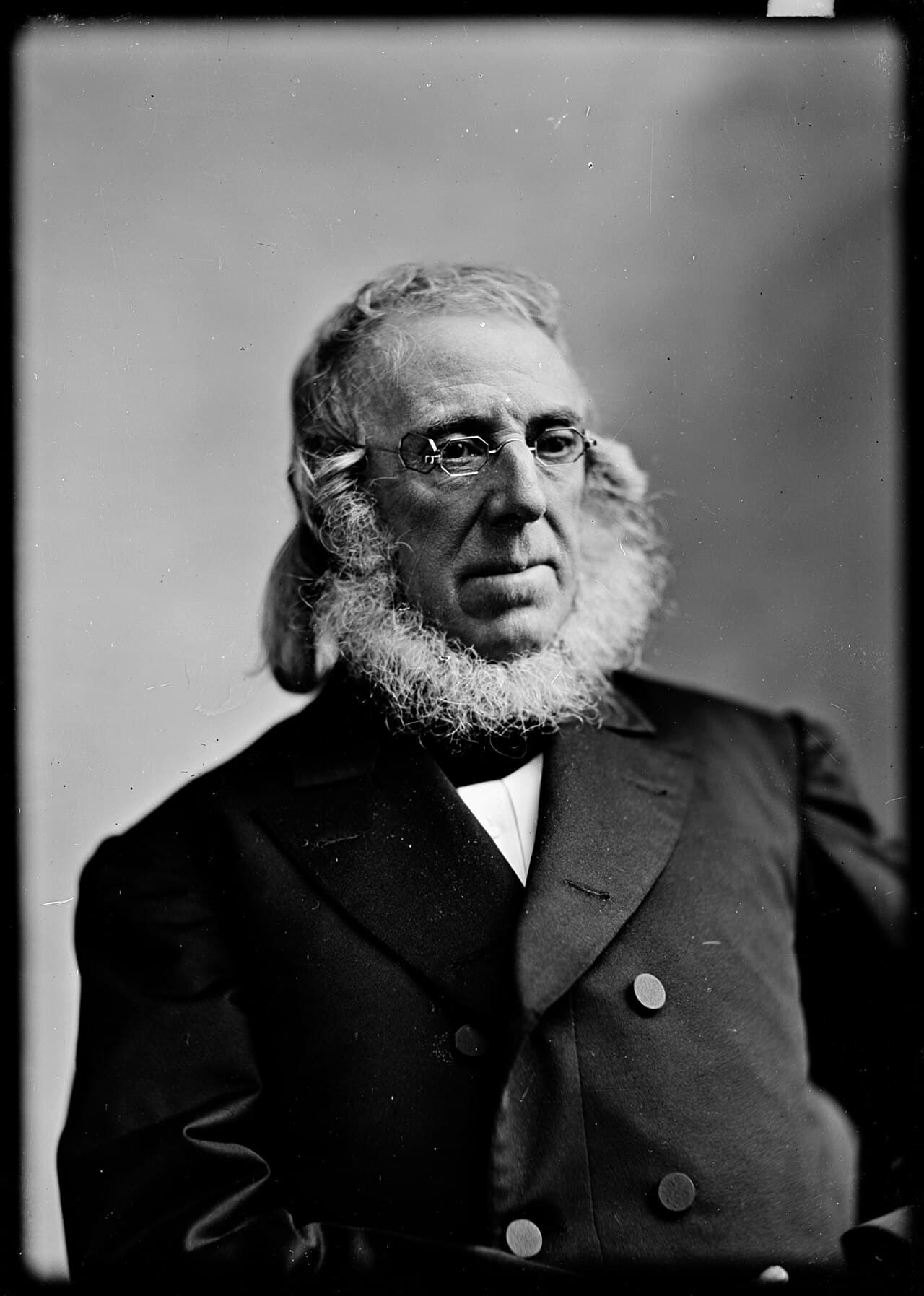
Gelatin only became an industrial product in the 1700s and 1800s. England granted a patent for gelatin production in 1754, and in 1812 the chemist Jean-Pierre-Joseph d'Arcet tried acid and then far more efficient steam extraction, with the French government hoping it could become cheap protein for Paris's poor. The dessert version came from America: in the mid-1800s, the industrialist Peter Cooper patented a "Portable Gelatin" powder that just needed water added, and later in the century Charles and Rose Knox built a whole company around popularizing gelatin, paving the way for the jellies, marshmallows, and gummy candies that still rely on the same boiled-down animal protein today.
Quiz me
0/3
Recap
Gelatin is just collagen boiled down and broken apart; the dessert powder version was patented by Peter Cooper in the 1800s, centuries after cooks were already boiling bones for the same effect.
Surprising fact · Isinglass, made from fish swim bladders, was one of the oldest sources of gelatin and is also used to clarify wine and beer.
Sources (1)
No source, no claim. Every fact in this lesson (13 claims) cites at least one of these.