Why does browned food taste so much better?
The crust on your steak, your toast and your coffee all come from one reaction, first described by a French doctor in 1912.
▶ Start the storyBrowned food tastes better because heat makes the amino acids and sugars in it react with each other, a process called the Maillard reaction. The reaction builds melanoidins, the compounds that give browned food its color and its distinctive flavor, and along the way it can produce hundreds of different flavor molecules. A pale slice of bread and a golden piece of toast start with exactly the same ingredients; only one of them got hot enough for this chemistry to kick in.
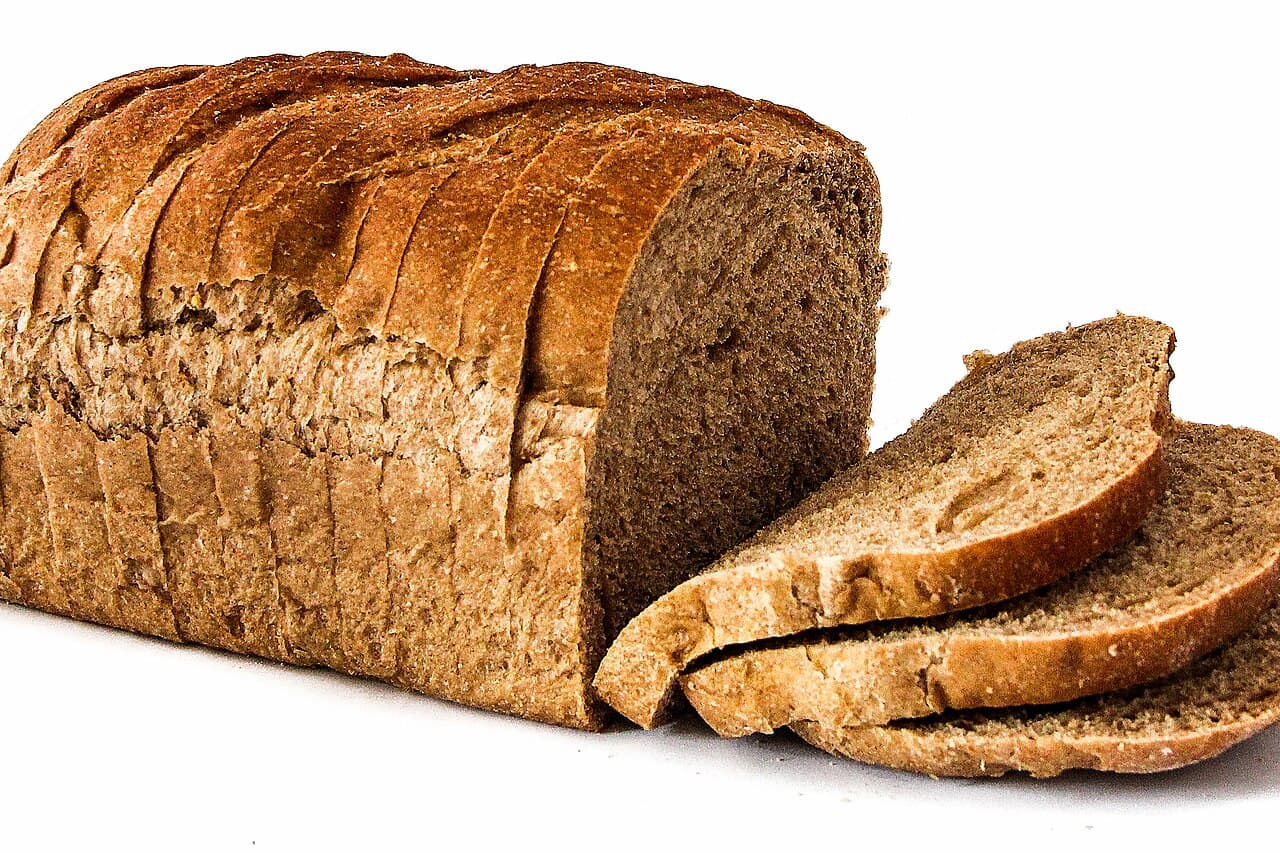
That threshold matters. The reaction typically runs fast from around 140 to 165 °C, which is why so many recipes insist on a properly hot oven. Push the heat much further and something else takes over: first caramelization, then outright burning, with its bitter, acrid taste.
The reaction is named after Louis Camille Maillard, a French physician and chemist who first described it in 1912. He wasn't trying to cook anything. He was trying to reproduce the way living things build proteins. Today his reaction is everywhere: in the crust of bread, falafel, toasted marshmallows, grilled meat and roasted coffee. The Nobel Prize-winning chemist Jean-Marie Lehn called it, by far, the most widely practiced chemical reaction in the world.
Quiz me
0/3
Recap
Around 140 to 165 °C, amino acids and sugars react to make browning and flavor; hotter still, sugars caramelize and then burn.
Surprising fact · Bog bodies get their tanned skin and red hair from the same chemistry, acting slowly over centuries.
Sources (2)
No source, no claim. Every fact in this lesson (16 claims) cites at least one of these.