What is umami, the 'fifth taste'?
A Tokyo chemist noticed his soup tasted unusually good one evening, and ended up adding a new taste to the human tongue.
▶ Start the storyUmami is the savory taste of broths and cooked meats, and it counts as one of the five basic tastes alongside sweet, sour, salty and bitter. You detect it with dedicated taste receptors that respond to glutamates and nucleotides, molecules found in meat broths and fermented foods. Because umami has its own receptors instead of being a blend of the other four, scientists now consider it a truly distinct taste.
It was named by a chemist at the dinner table. In 1907, Kikunae Ikeda, a professor at Tokyo Imperial University, stopped mid-meal because his dashi broth tasted better than usual. He traced the difference to kombu seaweed, and in 1908 showed that the magic ingredient was glutamate. He noticed the taste was distinct from the classic four and called it umami, which can be translated as 'pleasant savory taste'.
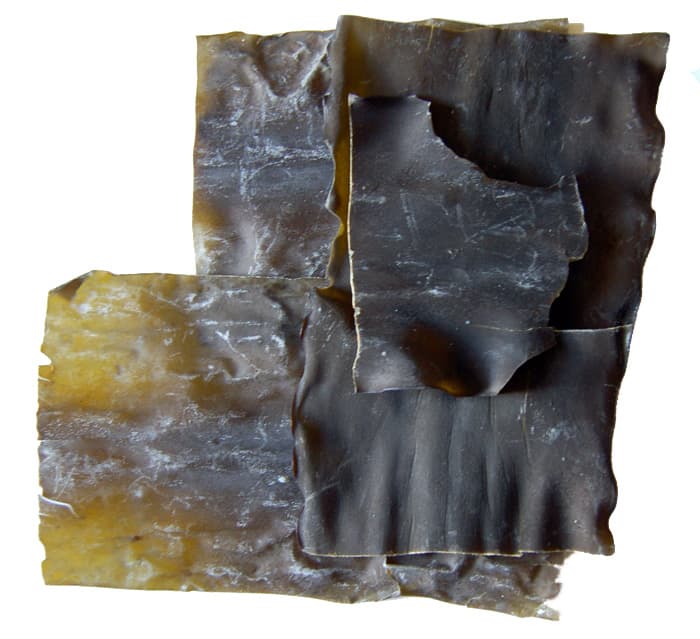
A year later, Ikeda co-founded Ajinomoto, which sold the world's first umami seasoning: monosodium glutamate, or MSG. Its bad reputation is mostly undeserved; the idea that it causes headaches is a popular misconception, and blinded studies show no such effect at normal amounts in food. Ikeda had his own theory for why we love umami: it signals that a food contains protein.
Quiz me
0/3
Recap
Glutamate plus nucleotides equals umami, and combining the two boosts it beyond the sum of its parts.
Surprising fact · Kikunae Ikeda identified it in 1908 after his dashi broth tasted better than usual at a family dinner.
Connects to
- 👅 Does your tongue really have a sweet zone and a bitter zone?
- 🥩 Why does browned food taste so much better?
- Monosodium glutamate
- Glutamic acid
Sources (3)
No source, no claim. Every fact in this lesson (16 claims) cites at least one of these.