Why did money used to be a promise of gold?
For decades, a banknote was a legal promise that it could be swapped for a fixed weight of gold. Then one war pushed country after country to suspend that promise.
▶ Start the storyBecause gold was something no government could simply print. Under a gold standard, a currency is defined as a fixed amount of gold. Britain slid into one by accident in 1717. Isaac Newton, master of the Royal Mint, set the price of silver against gold too low. Silver coins vanished from circulation, and gold became the real standard.
Supporters saw clear benefits. Economist Michael Bordo lists three: a stable anchor for prices, a system that runs largely on its own, and a credible commitment. A government that has promised gold can't easily print its way out of trouble. From the 1870s, the gold standard was the basis of the international money system.
1717
Britain drifts onto a de facto gold standard
1870s–1913
The gold standard underpins world money and peaks
1914
World War I: many countries suspend it
1930s
Largely abandoned in the Great Depression
1971
The US ends the dollar's link to gold
Critics point to the other side of that same promise. A fixed link to gold stopped governments from boosting the economy, for example to fight unemployment in a recession. Banking crises were also more common under the gold standard, though currency crises were rarer. In a 2012 survey, 92 percent of economists said returning to gold would not improve price stability or jobs.
The biggest test came in 1914. Economist Richard Lipsey said World War I was a test the gold standard "failed utterly". Many countries suspended it to pay for the war. Britain replaced its gold coins with paper Treasury notes. Germany left gold and, drained by war reparations, couldn't really return. High inflation followed across Europe in the 1920s.
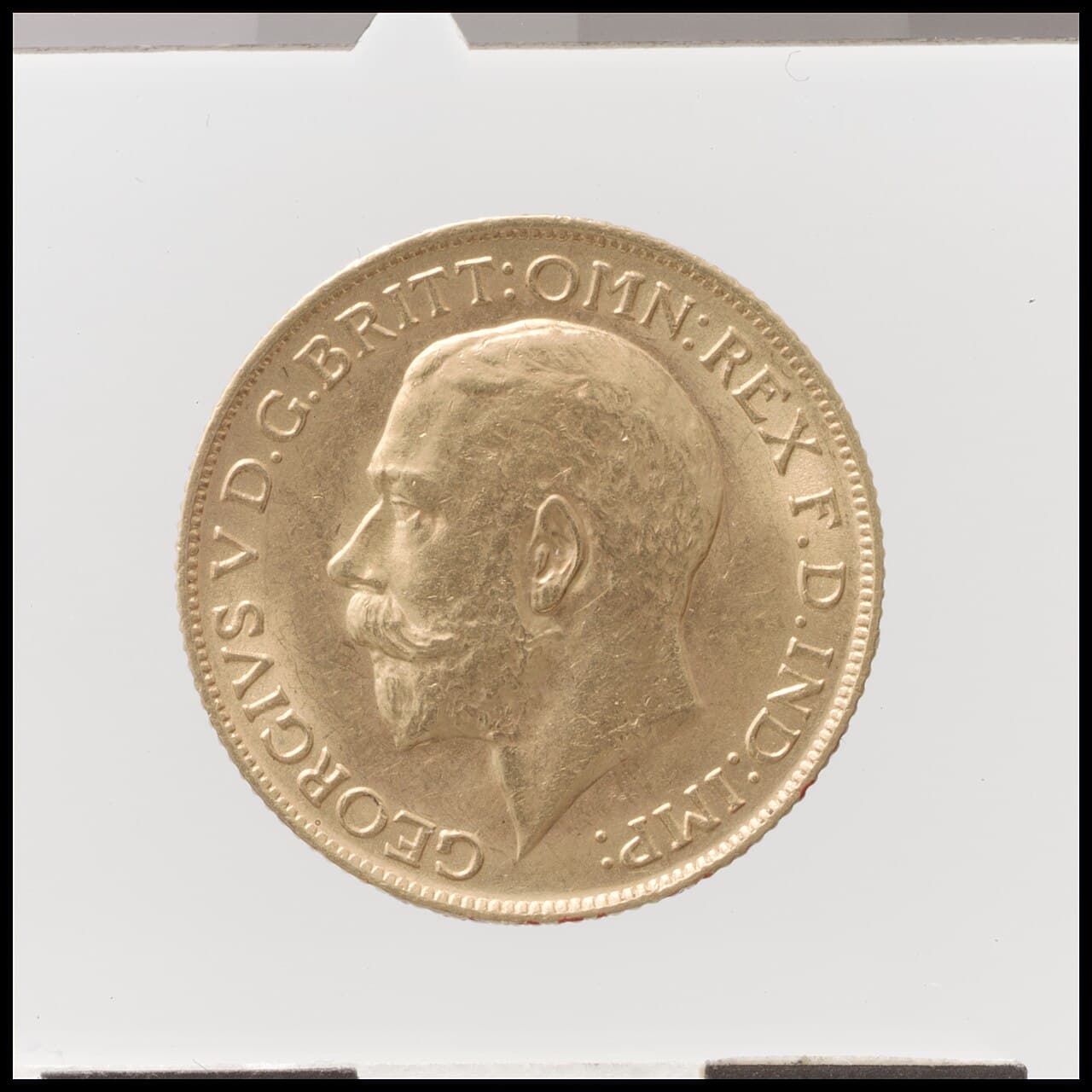
A version came back in the late 1920s, then was largely abandoned in the Great Depression. A limited form returned after World War II, until the United States ended the dollar's link to gold in 1971.
Quiz me
0/3
Recap
The gold standard was a hard-to-break promise of money for gold, until war and depression made breaking it the easier choice.
Surprising fact · Britain's gold standard began almost by accident in 1717, after Isaac Newton mispriced silver and it vanished from circulation.
Sources (1)
No source, no claim. Every fact in this lesson (13 claims) cites at least one of these.