Who invented canned food, and why didn't he know how it worked?
A Paris confectioner chasing an army prize invented food preservation in sealed containers half a century before anyone knew germs caused spoilage.
▶ Start the storyCanned food was invented by Nicolas Appert, a French confectioner who, in the early 19th century, found a way to preserve food airtight. He put food in glass jars, sealed them with cork and wax, and heated them in boiling water. He noticed that food cooked inside a sealed jar didn't spoil unless the seal leaked. What he didn't know was why: the science of bacteriology didn't exist yet, and it would be another 50 years before Louis Pasteur showed that microbes cause food to spoil.
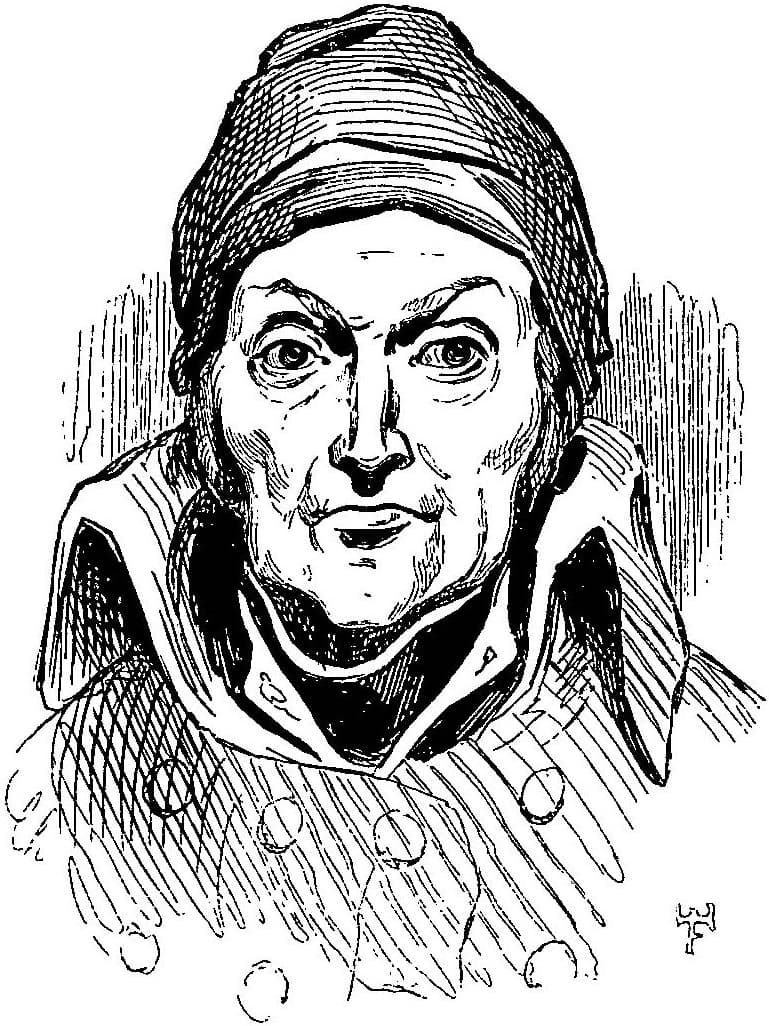
His motivation was partly military. Shortly before the Napoleonic Wars, the French government offered 12,000 francs to anyone who could preserve large amounts of food cheaply for its armies, because a lack of food kept campaigns confined to summer and autumn. In 1810 the government paid Appert that sum, on condition that he make his process public, and he published a book about it the same year.
That same year, the British merchant Peter Durand patented the method using tin cans instead of glass, creating modern canning. Amusingly, can openers were not invented for another thirty years; soldiers hacked cans open with bayonets or rocks. Appert, despite his fame, died in poverty in 1841.
Quiz me
0/3
Recap
Seal it tight and heat it: Appert found that it works by observation, and Pasteur explained the microbes behind spoilage 50 years later.
Surprising fact · Appert's first containers were champagne bottles sealed with a mixture of cheese and lime.
Sources (2)
No source, no claim. Every fact in this lesson (16 claims) cites at least one of these.