Is the golden ratio really hidden everywhere?
Sunflowers really do use it; the Parthenon and the nautilus shell mostly don't.
▶ Start the storyNo. The golden ratio, about 1.618, is real and fascinating, but it's far less common than posters and documentaries claim. Some of its famous sightings are genuine; many are myths.
Two lengths are in the golden ratio when the big one compared to the small one equals the whole compared to the big one. It pops up naturally in pentagons and pentagrams, and the ratios of consecutive Fibonacci numbers (1, 1, 2, 3, 5, 8...) creep ever closer to it.
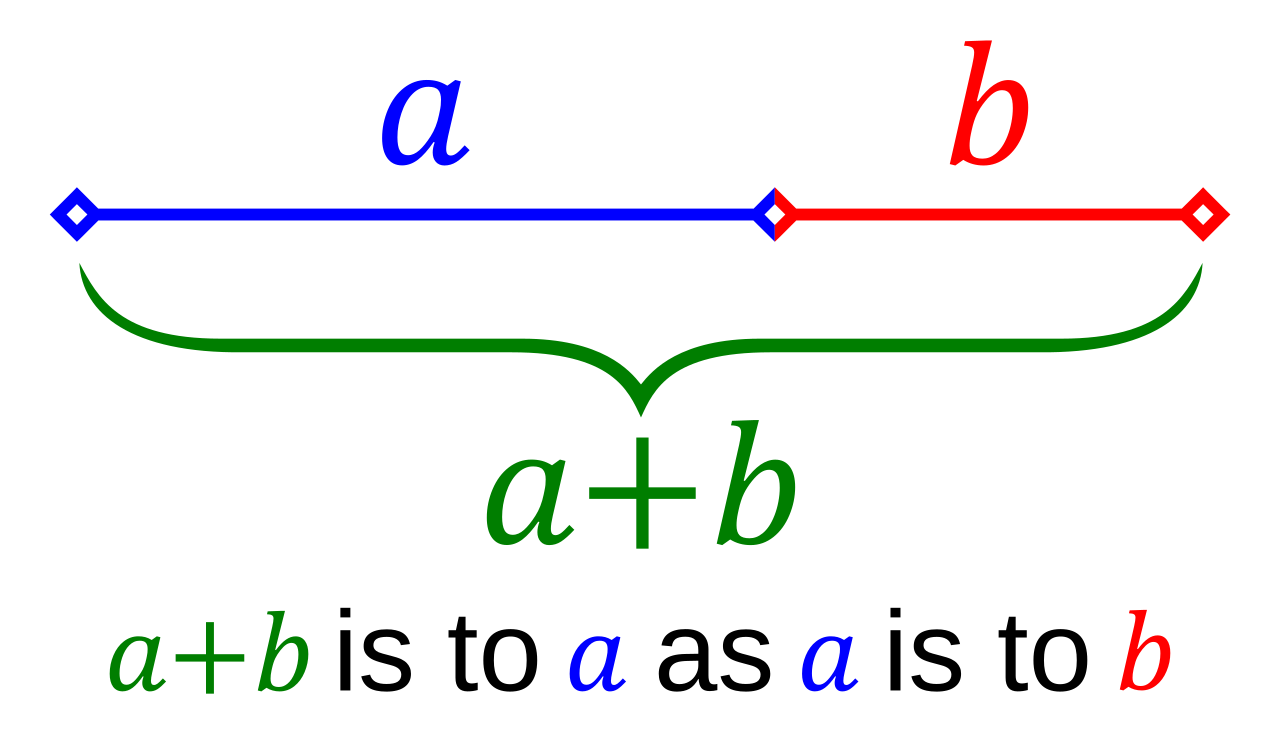
Where it really shows up: in sunflowers. The florets in a sunflower head are separated by the golden angle, an angle derived from the golden ratio, and many plants space their leaves the same way. It also appears in the works of 20th-century artists like Le Corbusier and Salvador Dalí, who used it on purpose.
Where it mostly doesn't: nautilus shells do grow in spirals, but at angles usually quite different from the golden spiral. And the idea that the Parthenon was designed with it only dates back to 1854; modern researchers note the claim often rested on shapes drawn over photographs rather than real measurements.
Quiz me
0/3
Recap
Sunflowers: yes. Nautilus shells and the Parthenon: mostly myth.
Surprising fact · Nautilus shells, the golden ratio's poster child, usually spiral at a distinctly different angle.
Sources (7)
No source, no claim. Every fact in this lesson (15 claims) cites at least one of these.