Can a tiny nudge really change what people do?
Governments set up 'nudge units' to steer citizens with small tweaks. Then a reanalysis claimed the average effect might be zero.
▶ Start the storyA tiny nudge can change what people do, sometimes. But how often, and how much, is now one of the liveliest arguments in behavioural science. A nudge is a small change in how choices are presented, the "choice architecture", that steers behaviour without banning anything or changing prices much. The economist Richard Thaler and the legal scholar Cass Sunstein made the idea famous in their 2008 book Nudge. Their rule of thumb: putting fruit at eye level is a nudge; banning junk food is not.
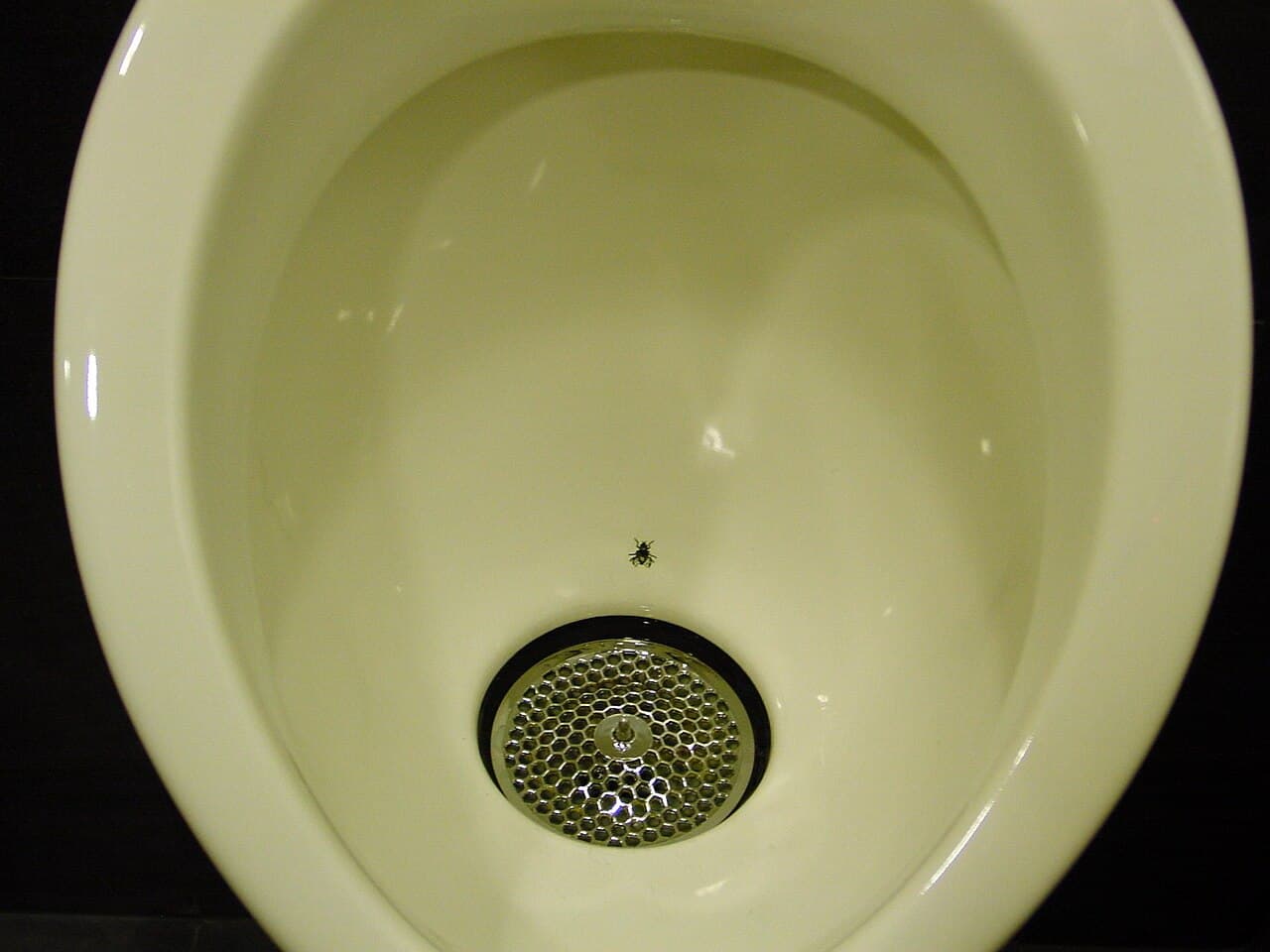
The most famous example is a fly. At Amsterdam's Schiphol Airport, an image of a housefly was etched into the men's urinals to "improve the aim". Other nudges are more serious. When renewable electricity was made the default, more customers chose it. In Dutch railway snack shops, moving fruit next to the till got people buying more of it.
Governments loved it. In 2010 the UK created a "Nudge Unit", and many countries and international bodies followed. Thaler won the 2017 Nobel prize in economics.
Then came the reckoning. A big 2021 review found nudges worked, but also found signs of publication bias, the tendency for successful studies to get published and failures to stay in the drawer. When other researchers corrected for that, they found no evidence of an average effect. Studies run by nudge units on over 23 million people found real but much weaker effects. The fairest reading: some nudges, like defaults, can work well; many do little.
Quiz me
0/3
Recap
Some nudges work, many barely do: judge them by large, unbiased evidence, not by clever anecdotes.
Surprising fact · After correcting a major meta-analysis for publication bias, researchers found no evidence of an average nudge effect, although some nudges, like defaults, may still work well.
Sources (2)
No source, no claim. Every fact in this lesson (24 claims) cites at least one of these.