Why does an 'if-then' plan beat good intentions?
Asking voters three questions about their plans made them more likely to vote. The trick is deciding before the moment comes.
▶ Start the storyBecause it hands the decision to the situation. A plain goal says 'I want to exercise more'. An if-then plan, which psychologists call an implementation intention, says 'When I get home before 7 pm, I will go for a run'. The psychologist Peter Gollwitzer showed that linking a specific cue to a specific action makes people noticeably more likely to follow through, because when the moment comes, there's nothing left to decide.
Good intentions are surprisingly weak. Research before Gollwitzer found that intentions explain only 20 to 30 percent of the differences in what people actually do. People mean well; they just miss the moment. Naming the moment in advance seems to keep the brain watching for it, so the planned action starts almost automatically. Psychologists call this strategic automaticity: a habit you install on purpose.
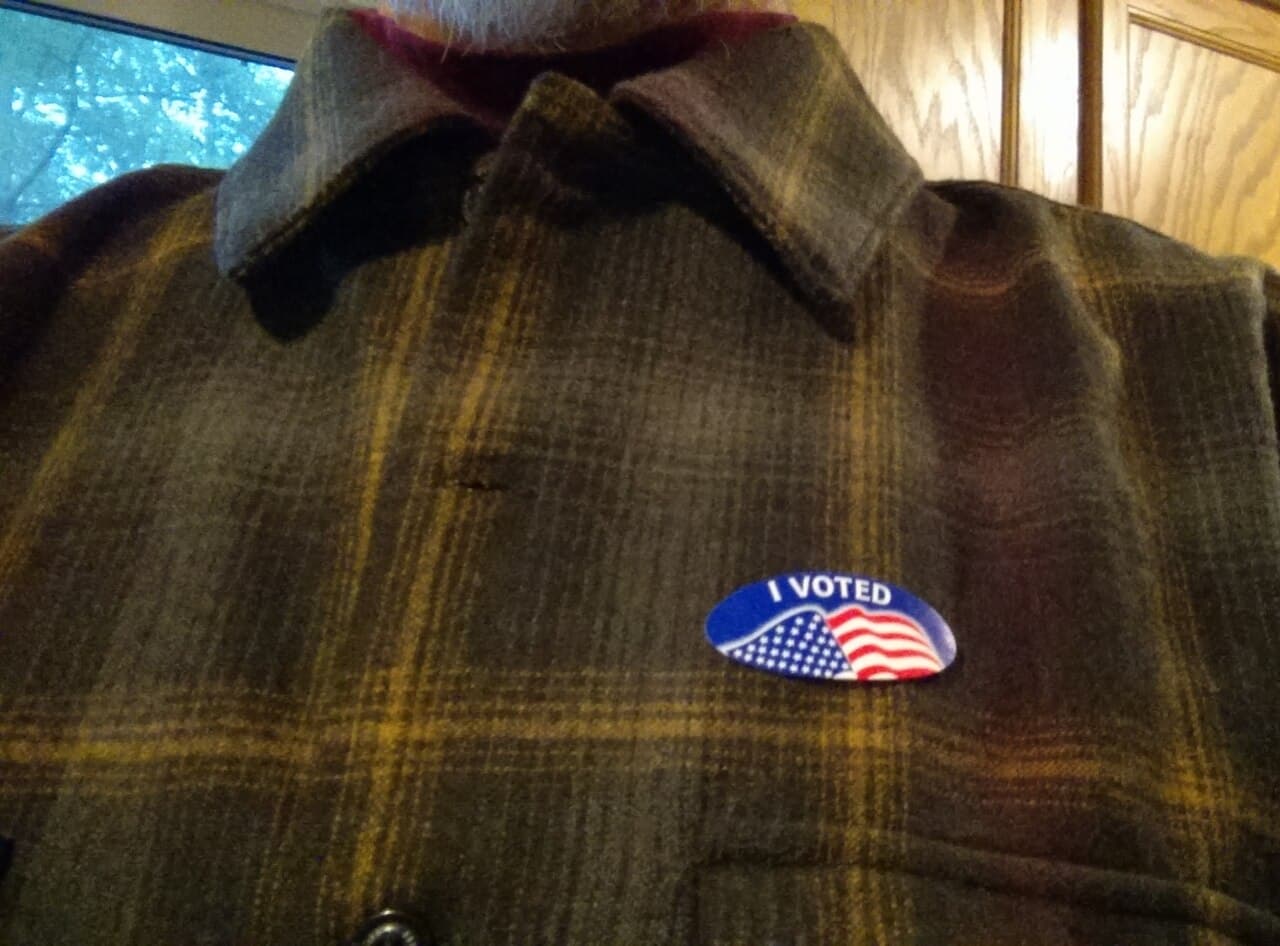
The effects show up in very ordinary places. Voters who were asked on the phone what time they would vote, where they'd come from and what they'd be doing just before were 4.1 percentage points more likely to vote. Employees who wrote down a date and time for their flu shot were 4 points more likely to get one. A 2006 meta-analysis of 94 tests by Gollwitzer and Paschal Sheeran found a medium-to-large effect on reaching goals.
It isn't magic. Without real commitment to the goal, the plan does little, and for people high in socially prescribed perfectionism, if-then plans have even been linked to worse performance. They can also override bad habits, but seem to subdue them rather than erase them.
Quiz me
0/3
Recap
Decide the 'when and where' in advance, and the moment itself does the remembering for you.
Surprising fact · Asked to name the date and time of their flu shot, employees were 4 percentage points more likely to get one.
Sources (3)
No source, no claim. Every fact in this lesson (24 claims) cites at least one of these.