Why does your brain find patterns in pure randomness?
Feed a hungry pigeon at random and it invents a ritual. Your brain does the same with faces in toast, lucky numbers and coincidences.
▶ Start the storyNobody knows for sure, but the leading ideas point to how pattern-matching works and to evolution. The tendency to perceive meaningful connections between unrelated things is called apophenia, a commonplace effect of brain function. One theory is that the brain compares what it sees to stored templates, and with complex data it can match the wrong one: a false positive. Evolutionary psychologists suggest the habit may not be a flaw at all but something that came about through need. The term was coined in 1958 by the psychiatrist Klaus Conrad, studying the early stages of schizophrenia, who described an "unmotivated seeing of connections" with a feeling of abnormal meaningfulness.
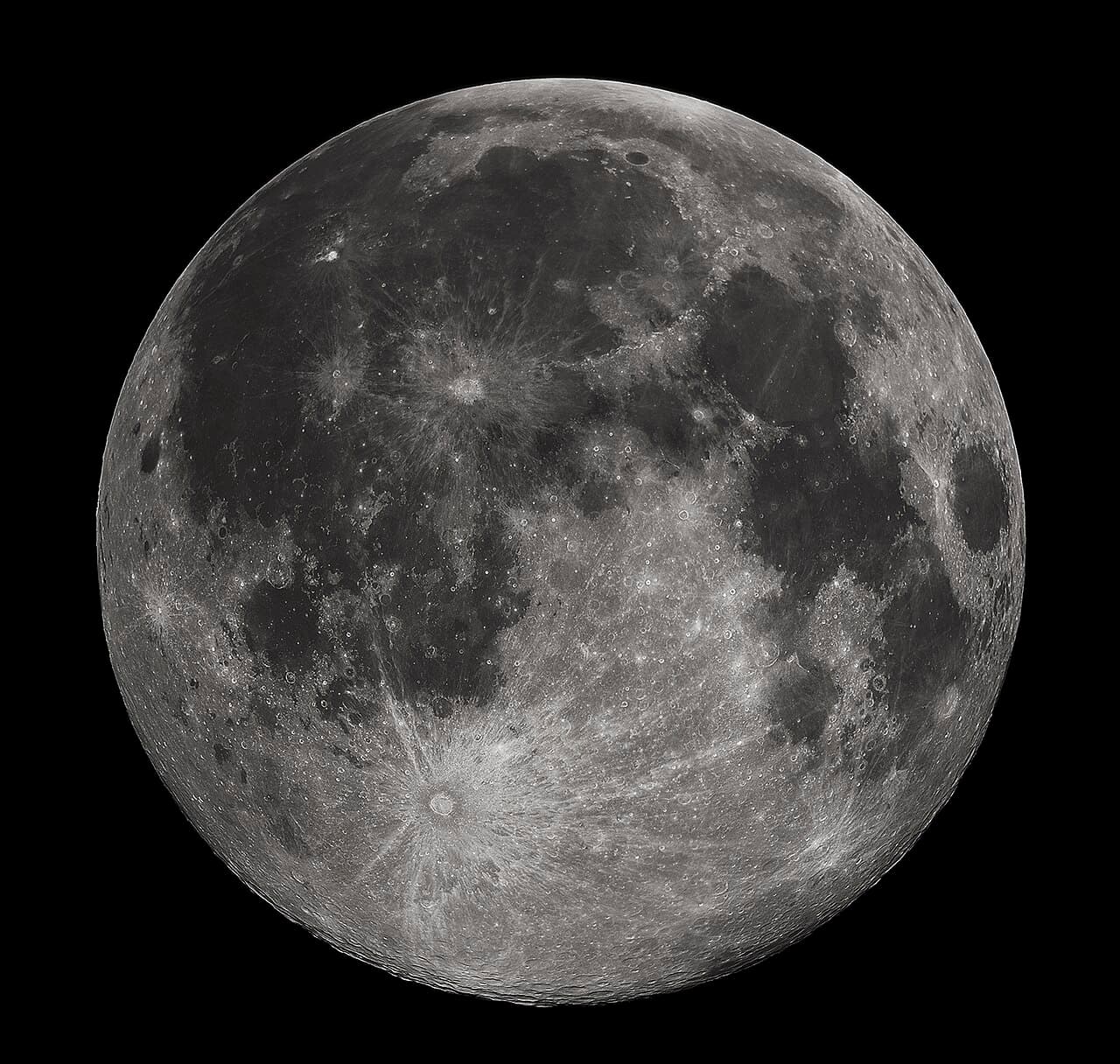
Faces are the best-known case. Pareidolia, a type of apophenia, is perceiving images or sounds in random stimuli: a car's headlights and grill seem to grin, people around the world see the Man in the Moon, and some see a religious figure's face in toast. It usually happens because the fusiform face area, the part of the brain responsible for seeing faces, mistakes face-like features for a face.
The same habit reaches far beyond faces. Gamblers may see patterns in lottery numbers or roulette wheels where none exist, a type I error in statistics, and apophenia is typical of conspiracy theories, where coincidences are woven into an apparent plot. In Skinner's box, a hungry pigeon given food pellets at random times repeated whatever it was doing when a pellet fell, as if its action had caused the reward.
Quiz me
0/3
Recap
A pattern can feel meaningful even when the data is random: that feeling is apophenia.
Surprising fact · A pigeon given food at random times still developed a ritual, repeating whatever action preceded a pellet.
Connects to
- 🦟 Why did medieval Europeans believe having lice was a sign you were healthy?
- 🎰 Why did gamblers lose millions betting against 26 blacks in a row?
- 🔮 Does your brain see the world, or predict it?
- 🔍 Why do we notice only the evidence that proves us right?
- ☁️ Why do we see faces in clouds, toast and even Mars?
Sources (1)
No source, no claim. Every fact in this lesson (22 claims) cites at least one of these.