Why does a crayfish have nothing to do with fish?
Crayfish, cockroach, Welsh rarebit: all three words got their modern shape because people guessed wrong about where they came from, and the guess won.
▶ Start the storyBecause the 'fish' is a mistake that stuck. The English word crayfish, or crawfish, is not historically related to fish at all: it comes from Middle English crevis, a cognate of French écrevisse. The unfamiliar word was gradually reshaped into something English speakers recognized, 'cray' plus the familiar 'fish'. The animal never changed; only the word bent towards people's best guess.
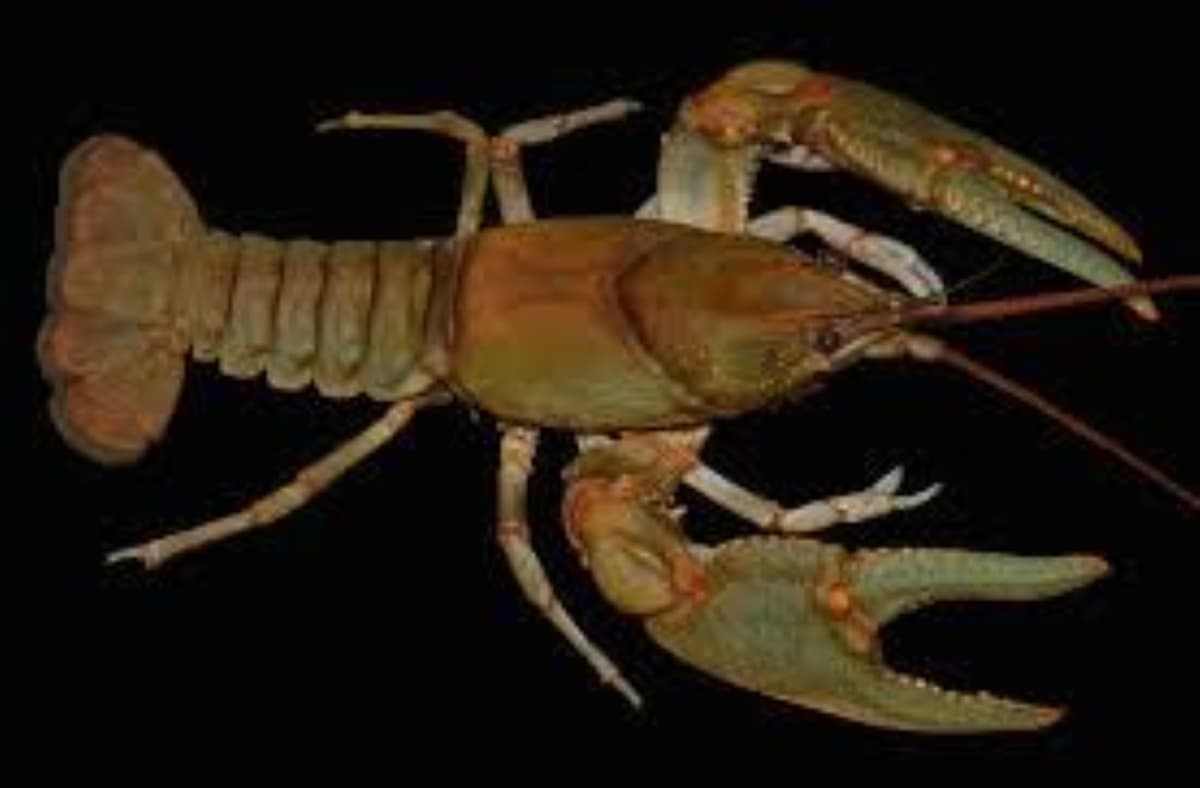
This is called folk etymology: an unfamiliar word or phrase is replaced, through popular usage, by a form that resembles words people already know. The term is a loan translation of the German Volksetymologie, coined by Ernst Förstemann in 1852. Asparagus, from Greek asparagos, became the dialect word 'sparrowgrass', remade by analogy with sparrow and grass. Cockroach was borrowed from Spanish cucaracha but assimilated to the existing English words cock and roach.
Sometimes the result is a lasting argument. The cheese-on-toast dish now often called Welsh rarebit was first recorded in 1725 as 'Welsh rabbit', a name presumably meant as a joke, since the dish contains no rabbit. In 1785 the lexicographer Francis Grose suggested it was really 'a Welch rare bit', even though the word rarebit was not common before his dictionary. Both names are still used, and some people hold strong opinions about which is correct.
Word boundaries can shift too. In Middle English, 'a napron' became 'an apron' and 'a nadder' became 'an adder', because listeners redrew the line between the article and the noun.
Quiz me
0/3
Recap
When a word's spelling seems to explain its meaning a little too neatly, like crayfish and fish, suspect folk etymology rather than real history.
Surprising fact · Welsh rarebit was first recorded as 'Welsh rabbit' in 1725, though the dish contains no rabbit, and both names are still used.
Sources (1)
No source, no claim. Every fact in this lesson (12 claims) cites at least one of these.