Why don't more Filipinos speak Spanish after 300 years of Spanish rule?
The Philippines is named after a Spanish king, yet fewer than 1 in 200 Filipinos speak Spanish today.
▶ Start the storyThe Philippines is even named after a Spanish prince, the future Philip II, and Spanish was the sole official language for more than three centuries of Spanish rule. Yet in 2020 fewer than one Filipino in two hundred was estimated to speak it proficiently. The main reason is that Spanish never spread widely in the first place. The Catholic missionaries initially preached in local languages rather than in Spanish: the priests learned those languages themselves and sometimes trained local people as translators, a bilingual class called Ladinos. Spanish was used daily mainly in cities and in places with a large Spanish presence.
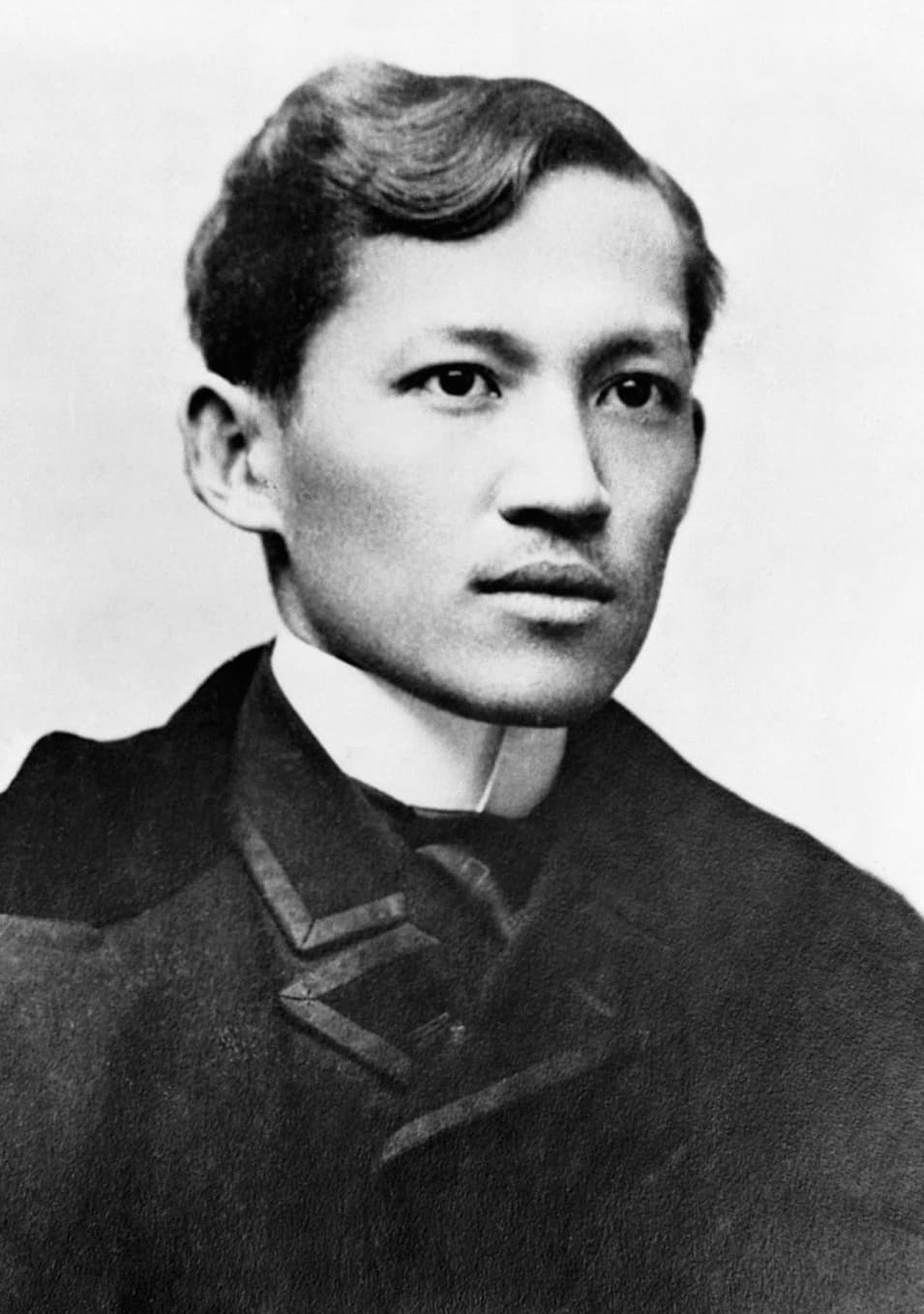
Where it did take root, it mattered. By the late 19th century an estimated half of Manila's population knew Spanish, and a class of Spanish-speaking intellectuals, the Ilustrados, had formed. One of them, the national hero José Rizal, used Spanish to spread a Filipino national consciousness; his novels exposed abuses by the colonial government and clergy, turning the colonizer's language against colonial rule.
Then the United States took over in 1898. The American government gradually promoted English at the expense of Spanish, calling it a negative influence of the past, and by the 1920s English was the main language of administration and schools. The 1918 census already counted more English speakers than Spanish speakers. Spanish's official status was removed in 1973, restored by decree a few months later, and reduced in 1987 to an 'optional and voluntary' language. Today it is no longer part of daily life.
It left traces, though: thousands of loanwords in 170 Philippine languages, Spanish-influenced spelling, and Chavacano, a Spanish-based creole spoken mainly in Zamboanga by an estimated 689,000 people.
Quiz me
0/3
Recap
Missionaries initially preached in local languages, so Spanish never spread widely, and American rule then promoted English in its place.
Surprising fact · Fewer than 1 in 200 Filipinos speak Spanish today, even though the Philippines is named after the Spanish prince who became King Philip II.
Sources (2)
No source, no claim. Every fact in this lesson (17 claims) cites at least one of these.