How can a tube of ice remember 800,000 years of climate?
Every bubble in Antarctic ice is a tiny jar of ancient air, sealed long before humans existed.
▶ Start the storyA tube of ice remembers the climate because ice sheets are built from snow, one year on top of the next, and each layer keeps a sample of the world it fell in. As the snow is buried it gets squeezed, first into grainy firn and then into solid ice. At that moment the air between the grains is sealed into tiny bubbles: real samples of the ancient atmosphere. Drill down through an ice sheet and you travel back in time. The deepest cores reach more than 3 kilometres and hold ice up to 800,000 years old.
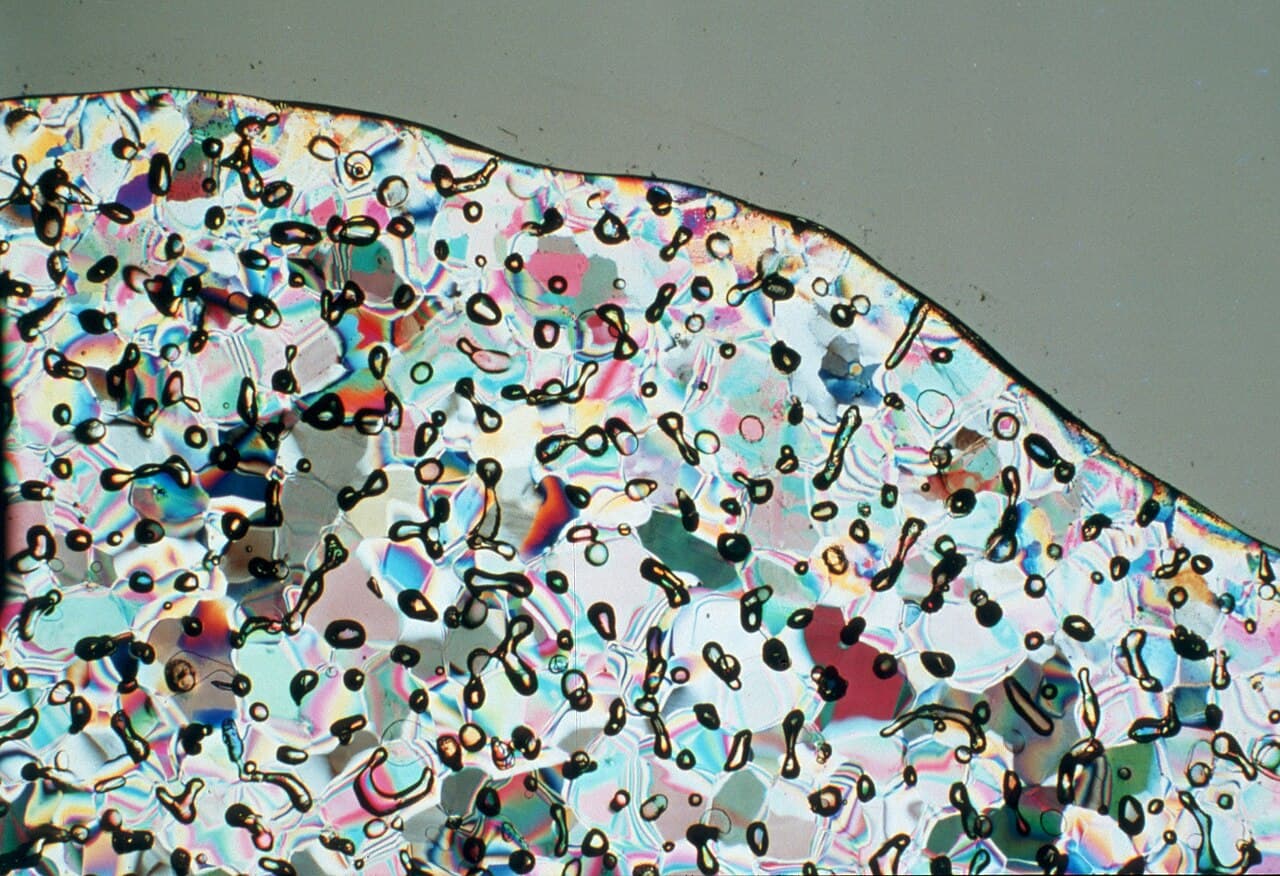
The ice itself is a thermometer. Water made with the heavier form of oxygen, oxygen-18, condenses into snow a little more easily than ordinary water, and the difference grows in the cold. So the mix of oxygen types in each layer tells scientists how warm it was when that snow fell. The bubbles add the carbon dioxide. Together they show that carbon dioxide and temperature have risen and fallen together through the ice ages.
The trick was discovered by a Danish scientist, Willi Dansgaard, who found in June 1952 that the makeup of rainwater reveals the temperature of the clouds it fell from. He went on to show that the same signal survives in glacier ice.
Ice keeps other secrets too: ash from volcanoes, soot from fires, even pollution. Lead in Greenland ice rises during the Roman Empire's wars and mining, and it climbed more than 200-fold in the industrial age.
Quiz me
0/3
Recap
Layers give the date, oxygen isotopes give the temperature, and bubbles give the air.
Surprising fact · The air in a bubble can be younger than the ice around it, because air keeps seeping through the snow before it is sealed.
Sources (2)
No source, no claim. Every fact in this lesson (20 claims) cites at least one of these.