How does a curveball curve?
People once swore the curveball was an optical illusion. It isn't, but your eyes do make it look nastier than it is.
▶ Start the storyA curveball curves because of spin. The pitcher snaps the wrist so the ball leaves the hand spinning forward, with topspin. In flight, that spin creates higher air pressure on top of the ball than underneath, which pushes it down. Instead of fighting gravity, the curveball adds an extra downward push, so it drops far more sharply than a normal throw. This is the Magnus effect, the same physics that makes any spinning ball swerve.
A fastball does the opposite. It leaves the hand with backspin, which builds higher pressure under the ball and partly holds it up. The raised seams of a baseball help both pitches by making the pressure difference between top and bottom bigger. The harder the pitcher snaps the throw, the more spin and the more break: a well-thrown curveball can break 7 to 20 inches more than the same pitcher's fastball.
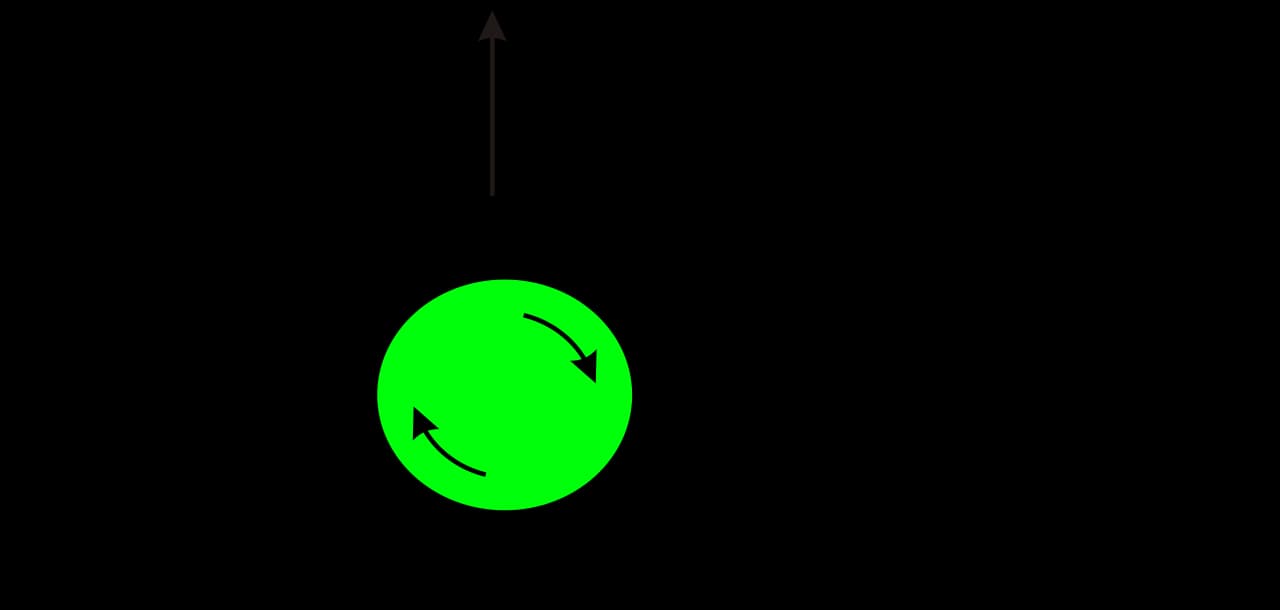
For a long time people argued that the curve was just an optical illusion. In 1949 an aeronautical engineer, Ralph Lightfoot, settled it with wind tunnel tests: the ball really curves. The Hall of Fame pitcher Dizzy Dean had his own proof. Stand behind a tree 60 feet away, he liked to say, and he would whomp you with an optical illusion.
Fastball
- Backspin
- Higher pressure under the ball
- Gravity partly counteracted
Curveball
- Topspin
- Higher pressure on top of the ball
- Adds to gravity
- Exaggerated drop
Still, the eyes are part of the trick. A curveball's path is actually smooth, yet batters see a sudden break. One explanation is that the ball starts in the centre of the batter's vision and slides into peripheral vision near the plate, where its spin distorts how we perceive its motion.
Quiz me
0/3
Recap
Topspin pushes the ball down, backspin holds it up: spin decides where the ball goes.
Surprising fact · The ball's path is smooth, but moving from central to peripheral vision may make the break look sudden to batters.
Connects to
Sources (2)
No source, no claim. Every fact in this lesson (16 claims) cites at least one of these.