Why did Britain's steam engines run on Britain's own coal?
A steam pump that drained a mine let miners dig deeper for more coal, which fed more steam engines, which drained more mines: Britain had stumbled onto a loop that powered a revolution.
▶ Start the storyBritain's steam engines ran on Britain's own coal because the two fed each other. Coal powered the pumps that drained the mines, and drained mines gave up more coal to burn.
Britain had the fuel close at hand. Rich coal seams lay under central and northern England, South Wales and Scotland. By the mid-1500s, wood was running short, and coal was fast becoming the household fuel. When steam engines arrived, coal was the obvious choice: cheaper than wood, and far more efficient.
Mining kept hitting water, though. Small pits near the surface could not meet the growing demand, so mining moved into deep shafts. Deep shafts flood. Newcomen's steam engine was built for exactly this job, and it drained mines at depths that had been out of reach. Deeper mines meant more coal. More coal fed more engines. It was a loop.
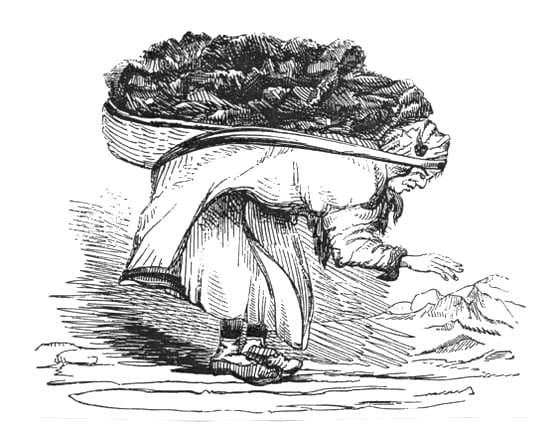
The human cost was heavy. By 1841, about 216,000 people worked in British mines. Women and children worked underground for 11 or 12 hours a day, for less pay than men. In 1838, after violent thunderstorms, a stream poured into a ventilation tunnel at Huskar Colliery near Barnsley. Twenty-six children died, the youngest aged eight. Queen Victoria ordered an inquiry. The Mines Act of 1842 then banned women and girls from working underground, and boys under ten.
216,000
Quiz me
0/3
Recap
Coal fuelled the steam pumps that drained mines; drained, deeper mines produced more coal — a loop worked by men, women and children until the 1842 Mines Act.
Surprising fact · Heating 1860s British homes with wood instead of coal would have needed nearly all of England's farmland every year.
Sources (3)
No source, no claim. Every fact in this lesson (13 claims) cites at least one of these.