Why did Europeans once think tomatoes were poisonous?
The tomato spent decades in Italian flower beds, admired and uneaten, because of the company it kept.
▶ Start the storyEuropeans distrusted the tomato because of its family. When the Spanish brought it over from the Americas in the 16th century, botanists recognized it as a relative of the nightshades, a plant family that is often poisonous and includes the mandrake and deadly nightshade. Outside Spain, the tomato was assumed to be poisonous too, so its first career in Europe was as an ornamental plant. The suspicion wasn't entirely baseless: the leaves, stem and green unripe fruit do contain small amounts of an alkaloid called tomatine. Yet in Mexico, a Spanish friar had seen a great variety of tomatoes for sale in the Aztec market of Tenochtitlán.
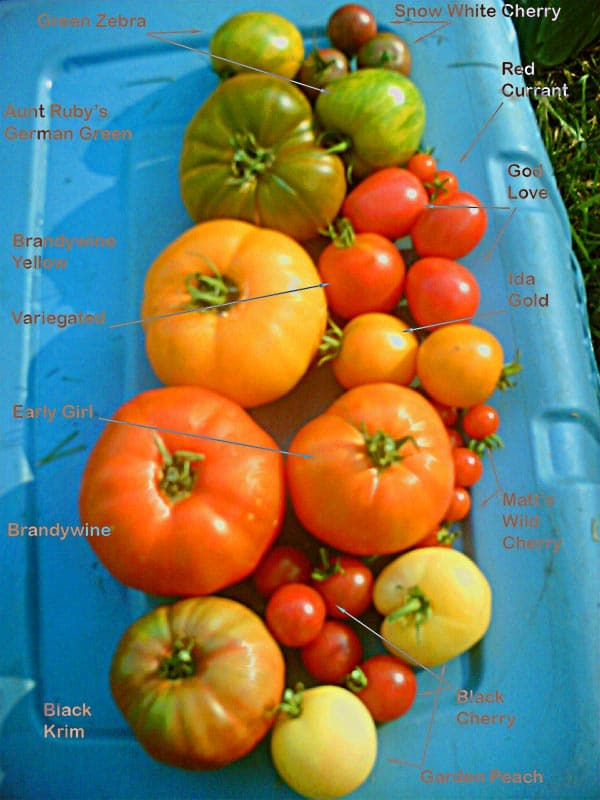
Italy was fascinated but cautious. In 1544, Pietro Andrea Mattioli described the fruit as a new kind of eggplant, and ten years later called it pomi d'oro, golden apples. A Florentine aristocrat wrote that tomatoes were to be sought only for their beauty, and in Florence they stayed a table decoration until the late 17th or early 18th century. The first known cookbook with tomato recipes appeared in Naples in 1692.
In England, the barber-surgeon John Gerard knew that Spaniards and Italians ate tomatoes but declared them poisonous anyway, and his influential opinion kept them off British plates for many years.
Quiz me
0/3
Recap
Guilt by association: the tomato was judged by its poisonous nightshade relatives until cooks proved otherwise.
Surprising fact · The English herbalist John Gerard knew Spaniards and Italians ate tomatoes, yet still declared them poisonous.
Sources (2)
No source, no claim. Every fact in this lesson (16 claims) cites at least one of these.