How can your immune system end up attacking your own body?
A century ago, a Nobel-winning pioneer of immunity research declared it impossible. Your body actually makes self-attacking cells every day, and spends enormous effort keeping them in check.
▶ Start the storyYour immune system can attack your own body because it builds its weapons at random, and some of them are bound to target you. Each T cell and B cell assembles its receptor by shuffling gene segments, which is how the system can recognise germs it has never met. The catch is that some of those random receptors inevitably recognise your own molecules. Autoimmunity is what happens when those self-reactive cells slip through the safety checks meant to remove or silence them.
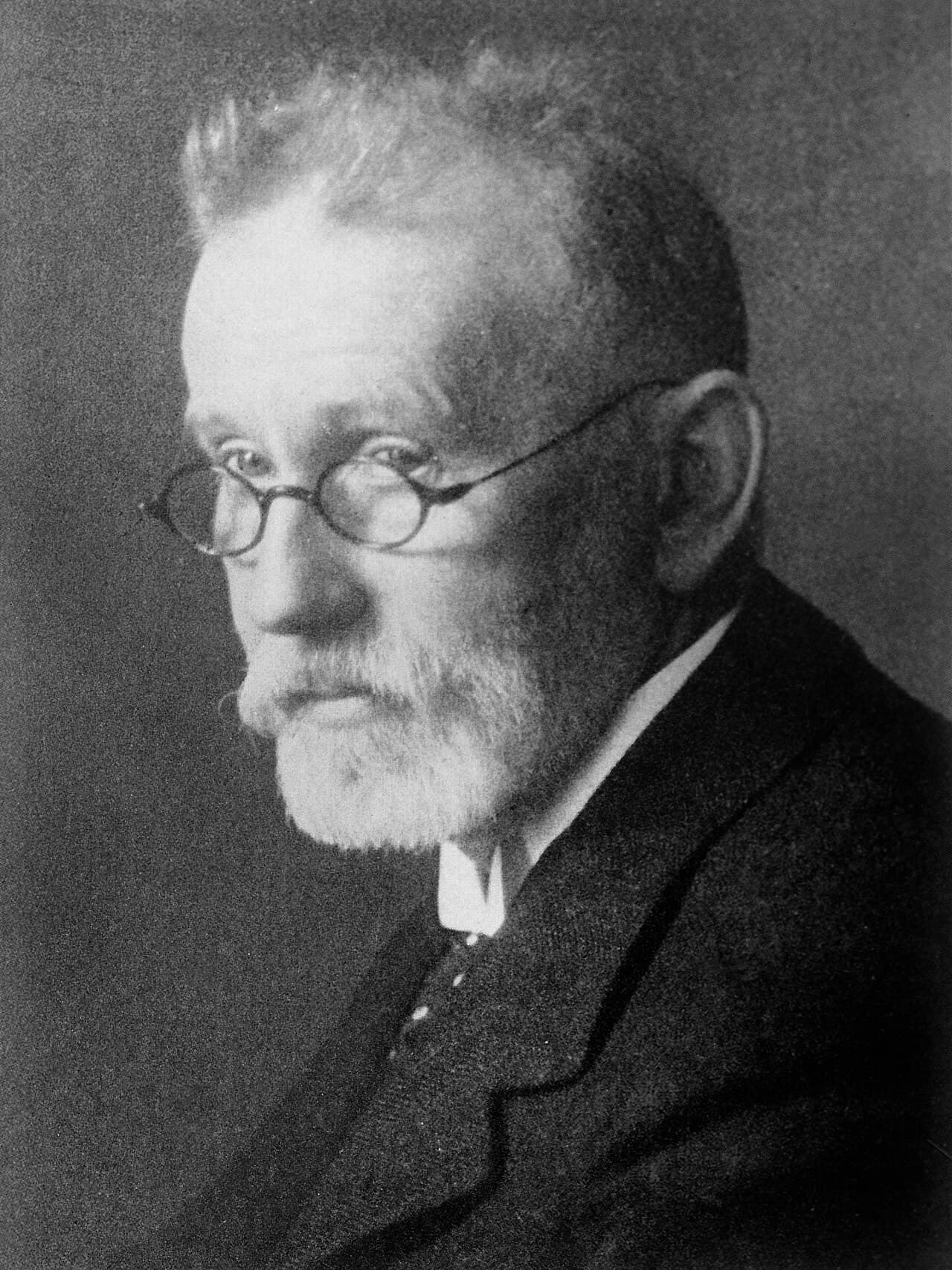
For a long time this seemed unthinkable. Around 1900 Paul Ehrlich, who would share a Nobel Prize for work on immunity, named the idea "horror autotoxicus": the body would never poison itself. When a substance attacking patients' own red blood cells was found in 1904, his authority made it hard to take seriously, and the modern view only spread by the 1950s.
Today we know the checks come in layers. In the thymus, developing T cells are shown proteins from all over the body, and those that react are destroyed. Because that filter isn't perfect, a second layer, including regulatory T cells that actively hold others back, keeps watch afterwards. That discovery won the 2025 Nobel Prize in medicine. People born with a broken gene for either layer develop severe autoimmune disease.
Infections can also trip the wires when a germ's molecules resemble ours, so antibodies against the germ hit our own tissue. Autoimmune diseases affect about one person in ten in one UK study, and women make up about 80 percent of patients, for reasons nobody can yet fully explain.
Quiz me
0/3
Recap
Random receptors make self-reactive cells inevitable; the thymus deletes most of them, and regulatory T cells restrain the rest.
Surprising fact · Paul Ehrlich declared self-attack impossible around 1900, and his authority helped delay acceptance of autoimmune disease until the 1950s.
Sources (7)
No source, no claim. Every fact in this lesson (31 claims) cites at least one of these.