Why do so many stories stop at the most exciting moment?
In 1841, Dickens fans rioted on a New York dock, shouting at an arriving ship to learn whether a fictional girl had died.
▶ Start the storyBecause stopping there is a deliberate device, the cliffhanger: ending an installment with a main character in an unresolved, precarious situation, a sudden danger, a hard dilemma or a shocking revelation, is designed to make the audience come back for the next one. It's an old trick. In One Thousand and One Nights, Scheherazade tells stories to a king for 1,001 nights, ending each one on a cliffhanger to save herself from execution, and some medieval Chinese ballads ended every chapter the same way to keep listeners in suspense.
The modern obsession with 'what happens next' really took off with Charles Dickens, who published his novels in magazine installments starting with The Pickwick Papers in 1836. As the historian of the book Leslie Howsam put it, the installments would typically end at a point that created reader anticipation, and so reader demand, and it worked almost too well: in 1841, fans reportedly rioted on a New York dock, desperate for a British ship carrying the next installment, screaming 'Is little Nell dead?'
The word 'cliffhanger' itself has a slightly mixed-up origin story. People often credit it to Thomas Hardy's 1870s novel A Pair of Blue Eyes, where a character literally dangles off a cliff, but the Oxford English Dictionary actually traces the term to 1936, decades later, tied to serial films. Those film serials, like 1913's The Adventures of Kathlyn and the hugely popular Perils of Pauline, regularly ended with the heroine in mortal danger, sometimes literally hanging from a cliff edge, to guarantee audiences returned the following week.
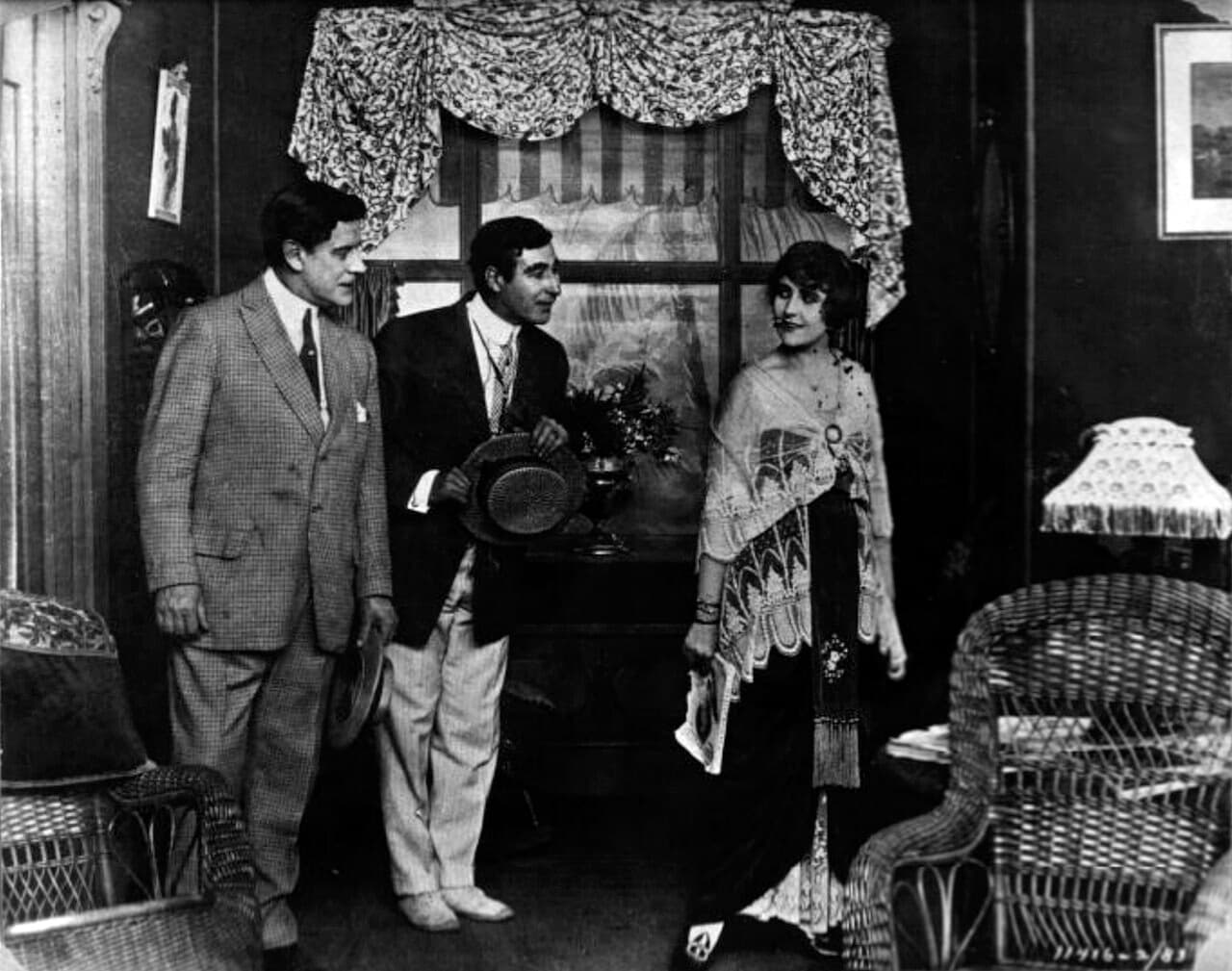
The formula hasn't changed much since: a cliffhanger works by putting someone in peril or dropping a shocking revelation right before the credits roll, and writers still use it deliberately, sometimes even when they're unsure whether their show will be renewed, hoping fan demand will force the question to be answered. The phenomenal success of the 1980 'Who shot J.R.?' cliffhanger in Dallas helped make the device common on American television, and Japanese manga use it far more often than American superhero comics, often in every volume or issue, centuries after Scheherazade.
Quiz me
0/3
Recap
A cliffhanger works through one of two moves: real danger to a character, or a sudden shocking revelation, dropped right before the story breaks off.
Surprising fact · Dickens fans rioted on a New York dock in 1841 while waiting for the ship carrying his next installment.
Sources (1)
No source, no claim. Every fact in this lesson (15 claims) cites at least one of these.