Why do we keep believing something after it's proven wrong?
In 1954 a doomsday cult watched the world fail to end on schedule. Most members kept their faith, and some said it grew stronger.
▶ Start the storyPsychologists call it belief perseverance: keeping a belief despite new information that firmly contradicts it. Its causes remain unclear, but there are leading explanations. Festinger proposed that people strive for internal psychological consistency, so a contradiction is uncomfortable and we are motivated to reduce it, which can mean dismissing the evidence instead of the belief. Peter Marris compared abandoning a conviction to working through grief, and Thomas Kuhn likened changing ideas to the effort of seeing an ambiguous picture a different way.
The first study of the effect followed a doomsday cult whose members believed the world would end on December 21, 1954. When nothing happened, most of them kept their faith. They refused to treat the failed prediction as evidence against it, and some even reported stronger faith than before.
The pattern shows up far from prophecy. In one study, people were handed a calculator rigged to give increasingly wrong answers, and about half worked through all seven problems without letting go of the belief that calculators are infallible. In another, scientists with PhDs followed a manual that taught them a formula making spheres 50 percent larger than they are. They then filled a real sphere with water and measured it, twice, and all but one still clung to the formula.
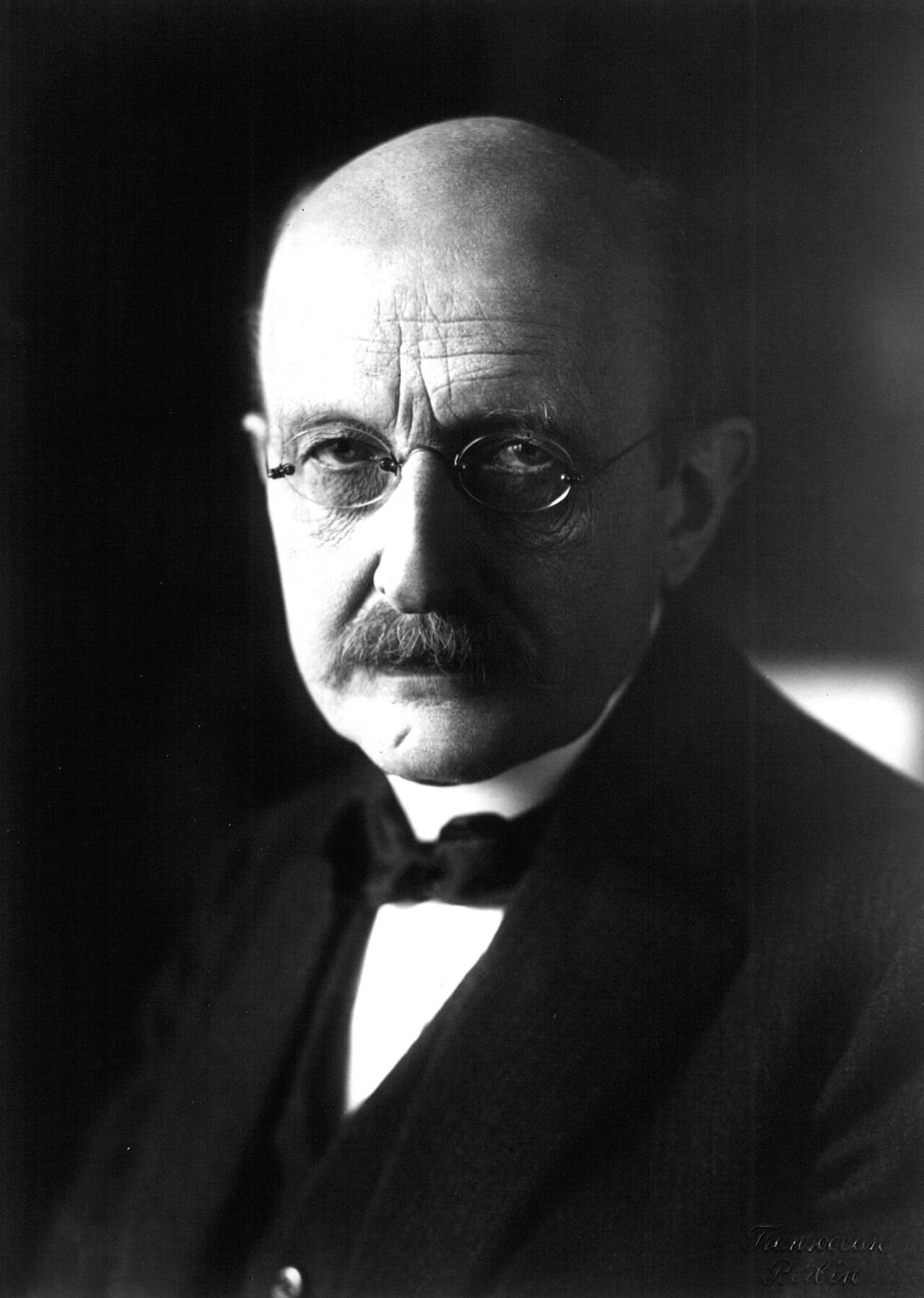
Does correcting people make things worse, a so-called backfire effect? A 2020 review found widespread failures to replicate it, and for most people fact-checking is very unlikely to backfire. Brendan Nyhan, one of the researchers who first proposed the effect, wrote in 2021 that stubborn misinformation most likely has other causes. Physicist Max Planck was blunter: new scientific truth, he wrote, wins less by convincing opponents than because a new generation grows up familiar with it.
The rigged calculator
- Seven problems, increasingly wrong answers on purpose
- About half never let go of the belief that calculators are infallible
The sphere formula
- 19 PhD scientists measured a real sphere with water
- All but one kept the wrong formula anyway
Quiz me
0/3
Recap
No one knows exactly why beliefs persist, but one classic idea is that contradiction feels uncomfortable, so people may dismiss the evidence rather than the belief.
Surprising fact · Scientists who measured the true volume of a sphere with their own hands still, almost all of them, kept the wrong formula they'd just learned.
Connects to
- 🍇 Why do we bend our beliefs to fit what we've already done?
- 🔍 Why do we notice only the evidence that proves us right?
- Scientific method
- Backfire effect
Sources (1)
No source, no claim. Every fact in this lesson (18 claims) cites at least one of these.