Why does cramming fail?
Studying less often can make you remember more, and the man who proved it spent five years memorizing nonsense.
▶ Start the storyCramming fails because memory rewards gaps. The same amount of study, spread out over days or weeks, puts far more into long-term memory than one long session the night before. Psychologists call this the spacing effect, and it is one of the sturdiest findings in their field: in a 2006 analysis of memory experiments, spaced practice beat massed practice in 259 out of 271 comparisons.
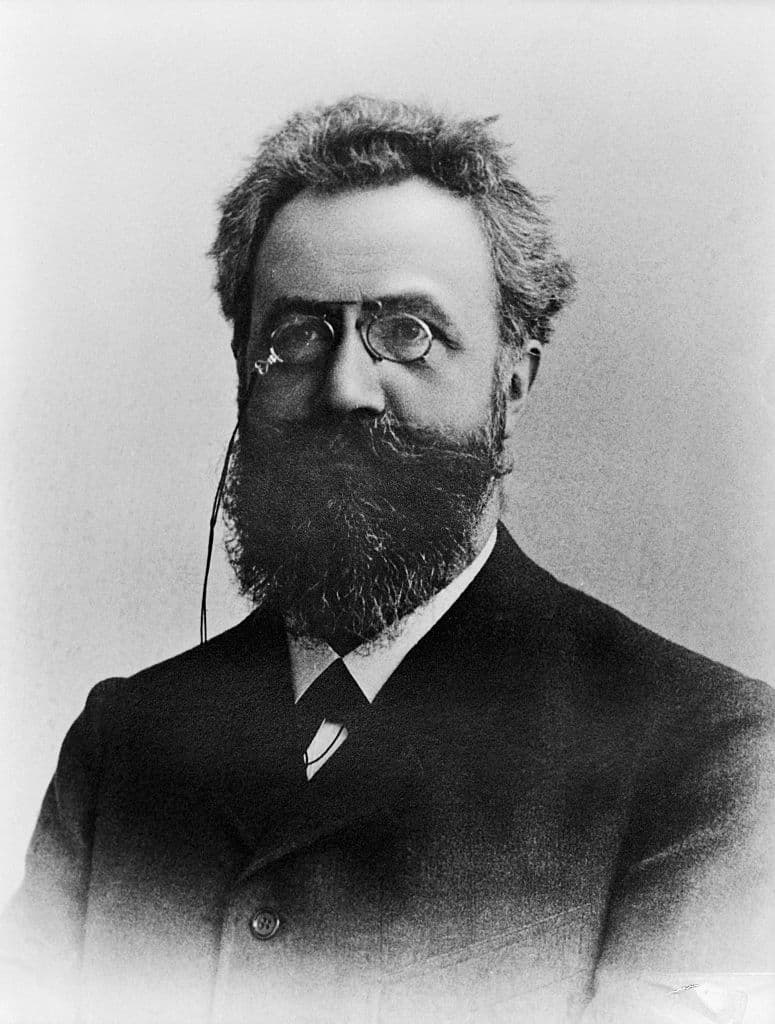
It was discovered by a man who spent five years testing himself on nonsense. From 1880 to 1885 the German psychologist Hermann Ebbinghaus memorized meaningless syllables like WID and ZOF, then checked how many he still knew after different delays. He was his own and only subject, but a 2015 replication found results similar to his.
Why do gaps help? One idea is that when you meet something again after a pause, your brain has to fetch the earlier memory, and that act of fetching strengthens it. When you repeat it straight away, the first memory is still fresh, so nothing gets fetched, and you barely pay attention to the repeats. The slightly harder recall after a gap seems to be the point.
The gaps can be long. In a nine-year study of foreign vocabulary, 13 review sessions spaced 56 days apart produced about the same retention as 26 sessions spaced 14 days apart: half the work for the same memory. Flashcard systems like Sebastian Leitner's 1972 box method use the same principle, reviewing the cards you know well less and less often.
Quiz me
0/3
Recap
Gaps make you work to retrieve a memory, and that retrieval is what strengthens it.
Surprising fact · Ebbinghaus discovered it by memorizing thousands of nonsense syllables on himself in the 1880s.
Sources (4)
No source, no claim. Every fact in this lesson (20 claims) cites at least one of these.