Why do endurance athletes train high in the mountains?
Thin mountain air tricks the body into making its own performance booster, legally.
▶ Start the storyEndurance athletes train at altitude so their bodies build more oxygen-carrying capacity. Mountain air still contains about 21% oxygen, but at lower pressure, so each breath delivers less of it. The body responds: the kidneys release a hormone called erythropoietin, or EPO, which tells the bone marrow to make more red blood cells. Back at sea level, proponents say, athletes keep that extra red blood cell boost for 10 to 14 days, just in time to race.
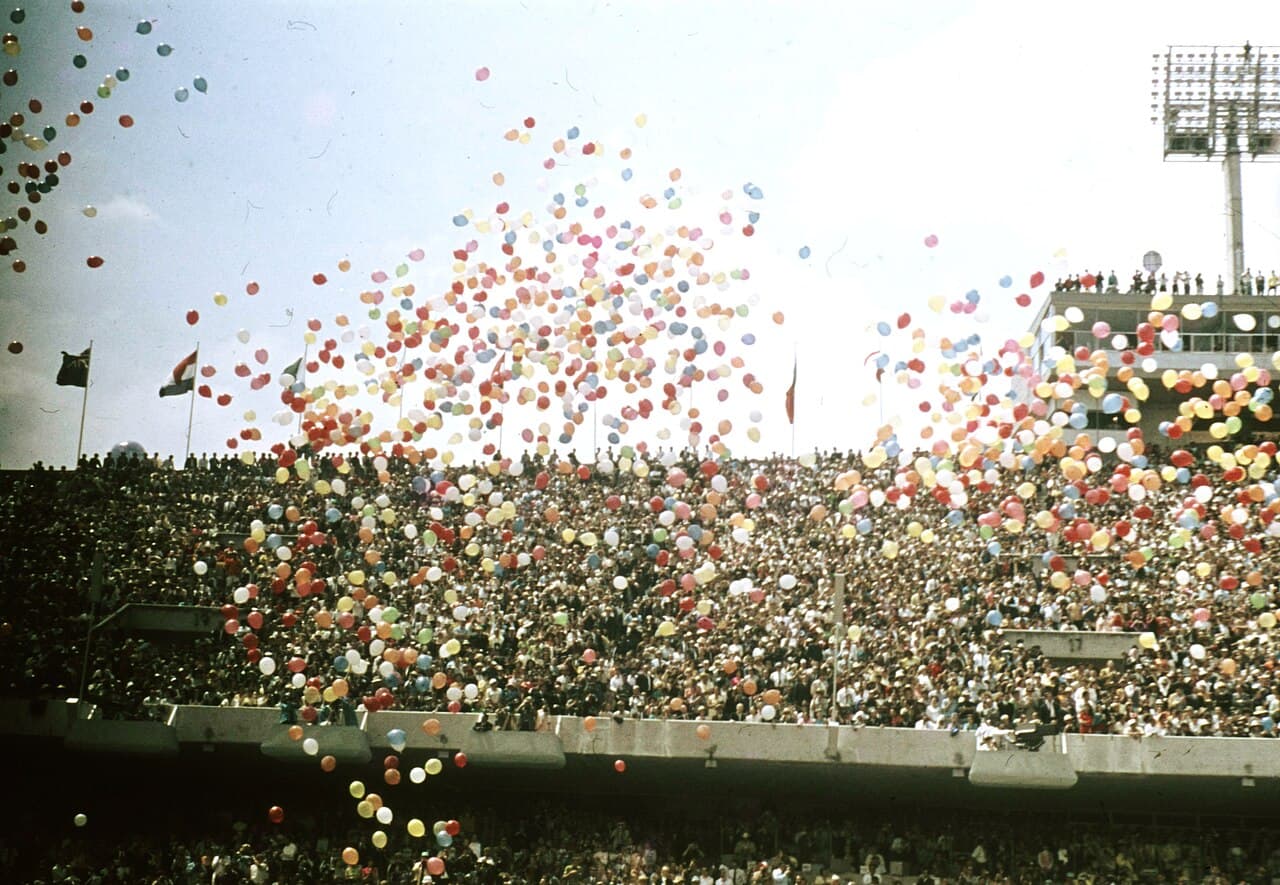
The idea took off after the 1968 Olympics in Mexico City, 2,240 metres above sea level. There, endurance events came in well below record pace, while sprinters broke records in the thin air, which offers less resistance. Coaches and scientists started asking how to turn altitude from a handicap into an advantage.
Step 1: Lower air pressure
Same 20.9% oxygen, but a lower partial pressure.
Step 2: Less oxygen in the blood
The oxygen sensor HIF is stabilised.
Step 3: Kidneys release EPO
Up to a thousandfold under low-oxygen stress.
Step 4: Bone marrow makes red blood cells
More capacity to carry oxygen.
Step 5: Back at sea level
Proponents say the boost lasts 10–14 days.
The catch is that hard training is harder up high. When athletes live and train at altitude, their maximum oxygen uptake first drops by around 7% for every 1,000 metres. Hence the popular recipe live high, train low: sleep at 2,100 to 2,500 metres to trigger the adaptations, and train at 1,250 metres or lower to keep workouts intense. A Finnish scientist, Heikki Rusko, even built a high-altitude house at sea level, with air containing only about 15% oxygen.
It doesn't work equally for everyone. Some athletes respond strongly, others hardly at all, and researchers still argue about whether the gains come mainly from extra red blood cells or from muscles using oxygen more economically.
Quiz me
0/3
Recap
Live high to make red blood cells, train low to keep training hard.
Surprising fact · Mountain air contains the same share of oxygen as sea-level air; it's the lower pressure that matters.
Connects to
- 🩸 Why would an athlete add extra blood to their own body?
- 🩸 How does your blood grab oxygen in the lungs and let it go in your muscles?
- Erythropoietin
- 1968 summer olympics
- Partial pressure
Sources (2)
No source, no claim. Every fact in this lesson (16 claims) cites at least one of these.