What is 'flow', and why does time vanish in it?
A psychologist noticed painters forgetting to eat and sleep, and found the sweet spot between boredom and anxiety.
▶ Start the storyFlow is the state of being so absorbed in a challenging activity that you lose track of time and of yourself. Psychologists describe it as full immersion with energized focus and enjoyment, and it tends to happen when a task is hard enough to stretch you but not so hard that it overwhelms you. Time feels different in flow, which is one of its signature features.
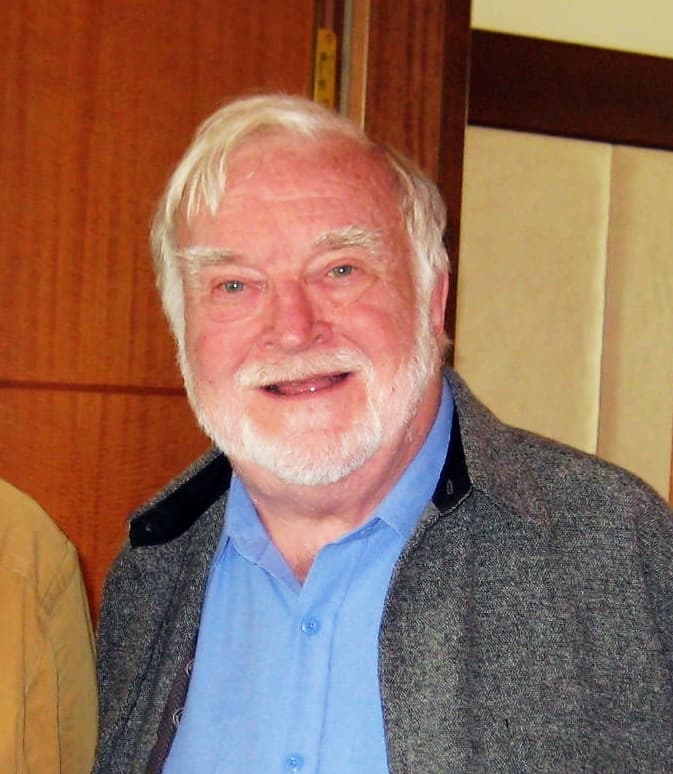
It was named by the Hungarian-American psychologist Mihály Csíkszentmihályi, who first described it in his 1975 book Beyond Boredom and Anxiety. He had become fascinated by painters who got so lost in their work that they forgot to eat, drink or even sleep. When he interviewed people about their best moments, many reached for the same image of water: 'It was like floating', 'I was carried on by the flow.'
The key is the balance between challenge and skill. If the challenge is too easy for your skill, you get bored; if it's too hard, you get anxious. Csíkszentmihályi's advice was simple: raise the challenge when you're bored, learn new skills when you're overwhelmed. Passive pastimes like watching TV rarely produce flow, because flow needs active engagement, clear goals and quick feedback.
Flow isn't unquestioned. Critics say its ingredients are defined loosely enough to make it hard to measure consistently, and Csíkszentmihályi himself warned that flow-producing activities can become addictive.
Quiz me
0/3
Recap
Too easy is boring, too hard is stressful; flow lives where a real challenge meets matching skill.
Surprising fact · Csíkszentmihályi started studying flow because painters lost in their work forgot to eat and sleep.
Sources (1)
No source, no claim. Every fact in this lesson (19 claims) cites at least one of these.