What does "democracy" actually mean?
In the first democracy, only about one resident in four could vote, and latecomers to the assembly were marked with a red-stained rope.
▶ Start the storyDemocracy means government in which political power belongs to the people. The word itself, born in Athens in the 5th century BC, joins the Greek dêmos, "the people", with krátos, "might": rule of the people, as opposed to aristocracy, rule of an elite. Abraham Lincoln's version is the best known: "government of the people, by the people, for the people". The people can rule directly, voting on laws themselves, or through representatives they elect, which is how most democracies work today.
Beyond that core, people disagree. A minimal definition says democracy means rulers chosen in competitive elections. Broader definitions insist it also needs civil liberties and human rights. One study counted 2,234 different adjectives used to describe democracy in English.
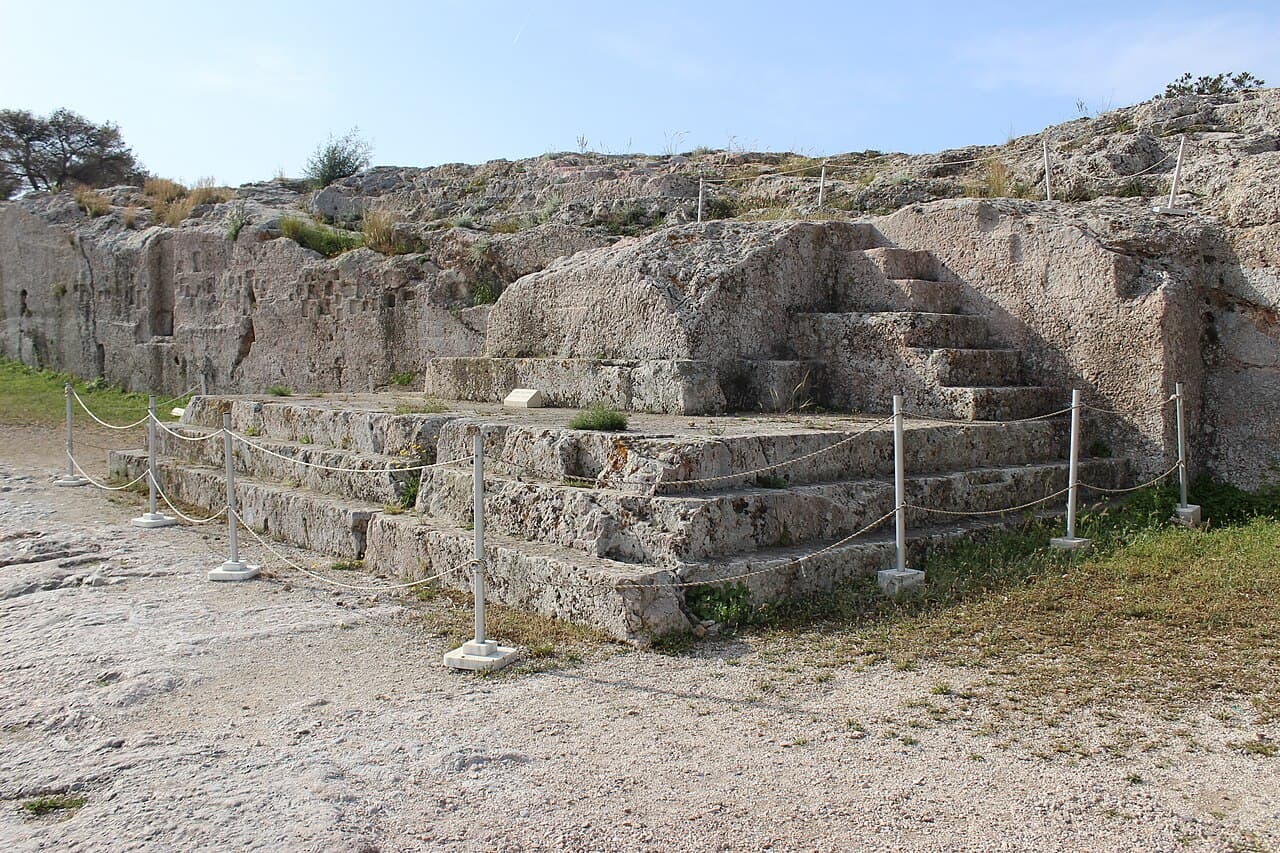
Who counts as "the people" has changed a lot. In Athens, where the first democracy was set up around 508–507 BC, women, slaves, foreigners and young men were excluded, so only about one resident in four was a citizen. Democracy nearly everywhere began with a narrow elite and widened over time. In 1893 New Zealand became the first country to give women the vote, apart from the short-lived Corsican Republic of 1755.
One danger has always shadowed majority rule: a majority can trample a minority. That is why liberal democracies put a constitution and courts above the majority, to protect rights like free speech. As of 2022, by two major indices, less than half the world's population lived in a democracy.
Quiz me
0/3
Recap
Democracy means "rule of the people", and the big question has always been who counts as the people.
Surprising fact · Only about one in four residents of the first democracy, Athens, counted as citizens.
Sources (2)
No source, no claim. Every fact in this lesson (20 claims) cites at least one of these.