Why did an entire island learn sign language, not just the deaf?
On one Massachusetts island, hearing farmers signed across fields and fishermen signed between boats, even when no deaf person was around.
▶ Start the storyBecause so many islanders were deaf that signing simply became everyone's business. On Martha's Vineyard, off Massachusetts, deafness was an inherited recessive trait and unusually common, so almost anyone might have both deaf and hearing brothers and sisters. Martha's Vineyard Sign Language was widely used there from the early 18th century to 1952, by deaf and hearing islanders alike, and as a result deafness was no barrier to taking part in public life.
The numbers explain it. Hereditary deafness had appeared on the island by 1714. By 1854, when the deaf population peaked, about 1 in 155 islanders was deaf, compared with roughly 1 in 5,730 nationally, and in the town of Chilmark the rate reached 1 in 25, with one small area touching 1 in 4.
Because deafness was so common, hearing islanders simply grew up signing. Children were taught the language from infancy so they could talk with the many deaf people they'd meet at school, and the habit stuck: adults sometimes kept signing even with no deaf person around, chatting silently in church, across a field, or between boats where a shout wouldn't carry. Deaf islanders were treated as typical people, unlike many deaf communities elsewhere, which are often isolated.
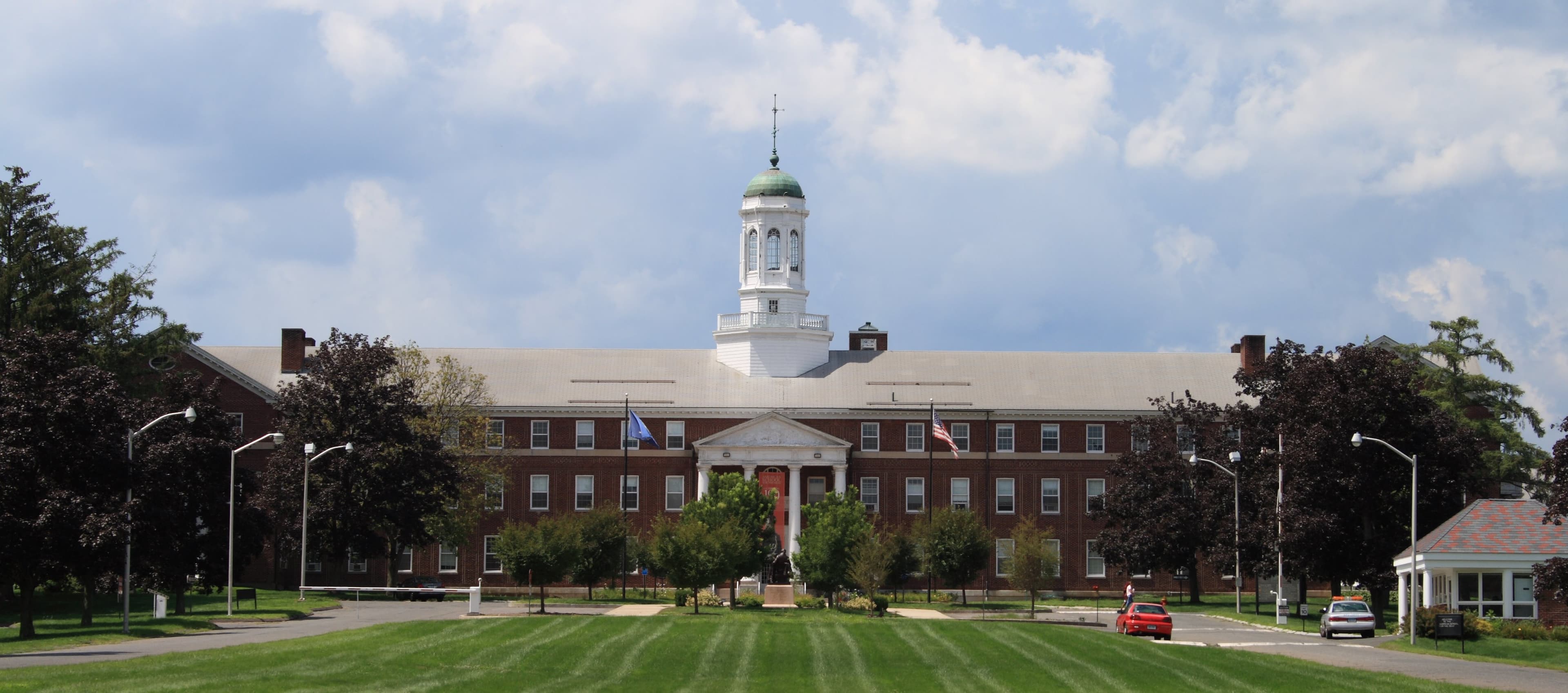
The mainland eventually changed everything. In 1817 the country's first school for the deaf opened in Hartford, and many of the island's deaf children enrolled there, taking their sign language with them; the signing traditions that met there merged into American Sign Language. Some deaf islanders stayed on the mainland, and intermarriage and migration made the island more like everywhere else. Katie West, the last deaf person born into the island's tradition, died in 1952. Later, the neurologist Oliver Sacks watched elderly islanders drop briefly into sign language mid-conversation, then back into speech.
Quiz me
0/3
Recap
When nearly everyone can sign, deafness stops being a barrier: Martha's Vineyard's hearing majority learned sign language simply because so many of their neighbors needed it.
Surprising fact · In the Squibnocket area of Chilmark, as many as 1 in 4 residents were deaf, far above the roughly 1 in 5,730 average for the United States.
Sources (1)
No source, no claim. Every fact in this lesson (17 claims) cites at least one of these.