How does caffeine actually keep you awake?
Caffeine doesn't give your brain extra energy. It just blocks the molecule that was telling it to feel tired, and the chemist who found it first needed a colleague to set the record straight.
▶ Start the storyCaffeine keeps you awake by blocking a different molecule, adenosine, rather than by giving your brain any extra energy of its own. The longer you stay awake, the more adenosine piles up between your neurons, where it binds to adenosine receptors and makes you drowsy. Caffeine happens to have a three-dimensional shape similar to adenosine, close enough that it fits into those same receptors and blocks adenosine from docking there (it also boosts the release of another messenger, acetylcholine). The depressant signal is still being sent; your brain just can't hear it.
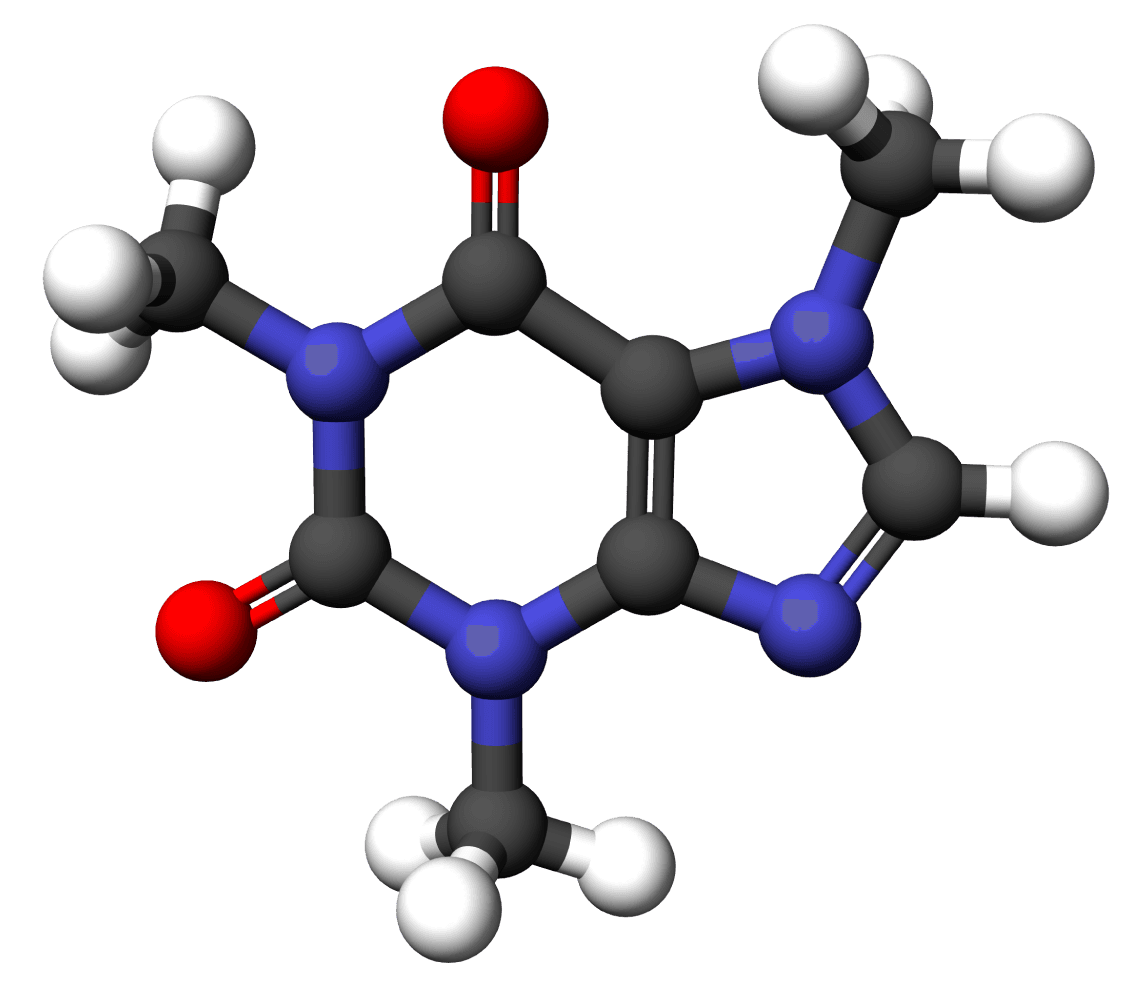
That blocking act is caffeine's main trick, but it isn't the only thing happening at a cellular level. Caffeine also raises levels of a signaling molecule called cyclic AMP, releases extra calcium inside cells, and blocks a different set of receptors called GABA receptors, though these effects mostly kick in at amounts well beyond a normal cup of coffee.
Use caffeine every day, and the brain pushes back: it grows more adenosine receptors, which raises the bar for feeling alert at all, so habitual drinkers start from a lower baseline of arousal. Tolerance builds to the jittery, fast-heartbeat side of caffeine and to its alerting benefits alike, and stopping abruptly after regular use can bring on real withdrawal: sleepiness, headache, and irritability, a mild but genuine form of drug dependence.
The story of how caffeine was found is its own tale of near-missed credit. In 1819, the German chemist Friedlieb Ferdinand Runge isolated caffeine first and called it "Kaffebase." Two years later, French chemists Pierre Jean Robiquet, and separately Pierre-Joseph Pelletier and Joseph Bienaimé Caventou, isolated it too, apparently without knowing about Runge's work or each other's. At the time Robiquet was the one usually credited with the discovery, yet the Swedish chemist Jöns Jacob Berzelius later acknowledged that Runge had described the same substance, with the same method, a year before Robiquet.
Quiz me
0/3
Recap
Caffeine's three-dimensional shape mimics adenosine closely enough to block its receptors, which is why it keeps you feeling alert instead of tired.
Surprising fact · Friedlieb Ferdinand Runge isolated caffeine in 1819, but French chemist Pierre Jean Robiquet was usually credited with the discovery until Berzelius acknowledged Runge's priority.
Sources (1)
No source, no claim. Every fact in this lesson (13 claims) cites at least one of these.