How did a playing-card company become a video-game giant?
Nintendo started out in 1889 making handmade playing cards — and only found Mario after an arcade game flopped so badly in the US that it plunged the company into crisis.
▶ Start the storyNintendo wasn't founded to make video games. In 1889, a craftsman named Fusajiro Yamauchi started the company in Kyoto to make hanafuda, traditional Japanese playing cards, by hand. Even the company's own name is a mystery: "Nintendo" is often translated as "leave luck to heaven," but that reading has no solid historical backing, and even Yamauchi's own descendants don't know what he actually meant by it.
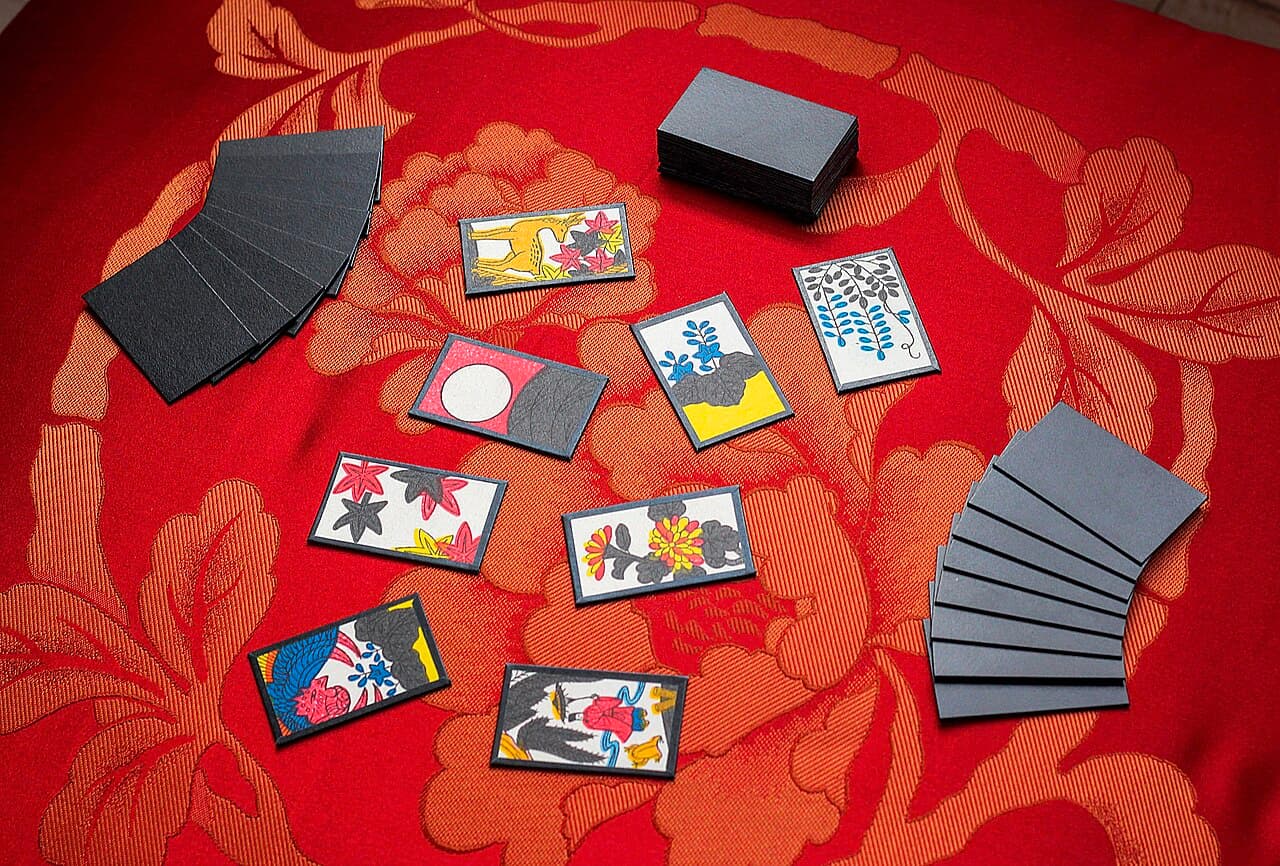
The playing-card business took off partly because of a gap created elsewhere: Japan had banned most gambling in 1882 but tolerated hanafuda, and the cards became popular in yakuza-run gambling parlors in Kyoto. Nintendo rode that demand to become the largest playing-card company in Japan, later partnering with Disney in 1959 to put its characters on cards and open up a children's market. By 1963, with its playing-card business thriving, the company adopted the name it still uses today and started making games of other kinds too.
The shift toward what Nintendo is now known for started almost by accident. In 1965 the company hired Gunpei Yokoi just to maintain its card-printing machinery; around 1969, as it set up a research and development department, the company was distributing not video games but classic tabletop ones — chess, shogi, go, and mahjong sets — under a separate brand. Nintendo's real turning point came out of a crisis: its 1980 arcade game Radar Scope flopped so badly in the US that it caused a financial crisis, and the company handed its next project to a young, untested designer, Shigeru Miyamoto, who created 1981's Donkey Kong. Its star character, Jumpman, was later renamed Mario — after Mario Segale, the real-life landlord of Nintendo's American warehouse.
Donkey Kong's success, followed by the Nintendo Entertainment System and Super Mario Bros. in 1985, made Nintendo a global force; the 1989 Game Boy, bundled with Tetris in North America, was a major success. Through all of it, Nintendo has stuck to a habit set by longtime president Hiroshi Yamauchi: hoarding cash instead of spending it on buybacks or big investments, to the tune of about ¥1.5 trillion in 2025.
1889
Founded in Kyoto to make hanafuda playing cards
1959
Partners with Disney to print characters on cards
1969
Distributes go, chess, shogi and mahjong sets
1981
Donkey Kong introduces Jumpman, later renamed Mario
1985
Nintendo Entertainment System launches with Super Mario Bros.
Quiz me
0/3
Recap
Even Nintendo's own name has no confirmed meaning — not even to the founder's descendants.
Surprising fact · Around 1969, Nintendo was distributing tabletop games like chess and go, not video games.
Sources (1)
No source, no claim. Every fact in this lesson (20 claims) cites at least one of these.